Explore stays in Trieste
Compare location and nightly price against the trip fit above.
Search Trieste stays ↗Reviewed September 28, 2026 · WorthTheCity Editorial Team
Trieste has the broader all-round fit, but Valletta remains the better choice when history and architecture is the point of the trip.
Trieste leads 5 categories. Valletta leads 2 categories.
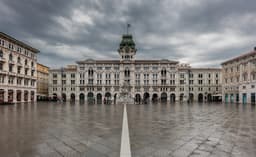 TriesteItaly84
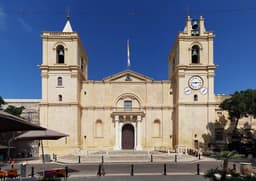 VallettaMalta76
Both links open broad search results. No hotel is presented as an editorial pick.
Compare location and nightly price against the trip fit above.
Search Trieste stays ↗Compare location and nightly price against the trip fit above.
Search Valletta stays ↗Trieste and Valletta separate most clearly on walkability. Trieste has the clearer walkability edge, leading by 14 points. Use the sections below to decide whether that gap matters to your trip.
Trieste leads across more decision categories. Choose Valletta instead when its trip style and strongest experiences matter more than the overall gap.
Trieste pairs a 84/100 Worth Score with 72/100 for budget fit; Valletta pairs 76/100 with 62/100. The stronger return depends on which city's advantages you will actually use.
Trieste has the clearer budget fit edge, leading by 10 points. Trieste: The main budget decision in Trieste is Coffee bars and simple seafood meals can be moderate, while Miramare tours and centrally located rooms affect the total. Compare a bus day pass with individual fares if your itinerary includes the castle and hilltop viewpoints. Build the visit around 3 days and compare the real cost of your chosen base with daily movement. Valletta is compact enough to keep transit spending low, but central rooms, cathedral tickets and harbour-side dining can make it a medium-to-high-cost city break. Accommodation changes the equation: Trieste starts with City centre works best for first-time visitors; Keeps the main squares, cafes and rail station in an easy walk.; Valletta starts with Valletta core works best for first-time history visits; Puts churches, museums and viewpoints within a short walk, with limited rooms and higher prices..
Trieste has the clearer walkability edge, leading by 14 points. Trieste is walkable where the main visitor streets cluster, but Walk the centre and use local buses for Miramare, the Karst and hilltop areas. Rail connects Trieste with Venice and nearby countries; check current service before planning a short international day trip. Valletta is small enough to explore on foot but not easy underfoot. Steep streets, steps, heat and cruise crowds make it a physically demanding walk rather than a flat compact stroll.
Trieste is best matched to coffee, literature and architecture and a quiet adriatic city break, but is less suitable for a classic sandy beach holiday. Valletta is best matched to history and architecture and harbour and ferry routes, but is less suitable for low-walking itineraries.
Trieste is strongest with 3 days; Valletta needs 2 days. Compare usable sightseeing time and arrival-day friction rather than hotel nights alone.
Comfort is effectively even: Trieste scores 0, while Valletta scores 0. Trieste: A comfortable visit to Trieste comes from matching your base and daily pace to the city. The central squares are walkable but the Karst plateau and Miramare require transit or a car. The bora wind can make the waterfront uncomfortable, and day trips across the border need current transport and document checks. Valletta is straightforward to orient in, but heat, stairs and busy arrival windows make a measured plan more comfortable.
Trieste: Tourist Trap Risk: Compare activity inclusions and choose established local operators; Coffee bars and simple seafood meals can be moderate, while Miramare tours and centrally located rooms affect the total. Compare a bus day pass with individual fares if your itinerary includes the castle and hilltop viewpoints. Valletta: Crowd Pressure: Cruise visitors and summer peak hours fill the main streets and cathedral area.
You want historic and literary experiences anchored by Piazza Unità d'Italia and Miramare Castle.
Walk the centre and use local buses for Miramare, the Karst and hilltop areas. Rail connects Trieste with Venice and nearby countries; check current service before planning a short international day trip. Build one compact cluster around City centre instead.
You want history, architecture and harbour views in a compact Mediterranean capital.
Valletta's steep streets and stairs make a compact route more tiring than it looks.
Trieste has the stronger overall Worth Score. Use the score table as a shortcut, then check budget and walking friction before booking.
Trieste has the better Budget Fit score in this comparison. That does not mean every trip is cheaper, but it usually gives you more room to control hotel, food, and daily spending.
Trieste has the stronger Walkability score, meaning a normal first-time itinerary is easier to keep compact without wasting too much time in transit.
Valletta is the cleaner weekend pick because it scores higher for short-trip fit. If you have more days, the lower weekend score may matter less.
Trieste: 3 days is a useful first target for Trieste. Trieste is a distinctive Adriatic city of Habsburg squares, coffee houses, literary history and sea views. It is an excellent slower Italian stop for travelers who enjoy Central European layers and a waterfront city that is not dominated by a beach resort. The main planning decision is The central squares are walkable but the Karst plateau and Miramare require transit or a car. The bora wind can make the waterfront uncomfortable, and day trips across the border need current transport and document checks. Valletta: Two days is ideal for Valletta: one for the major historic core and a second for a slower harbour crossing, museum or Three Cities outing. Use the shorter option only if your arrival and departure times leave enough usable sightseeing hours.