Quick Decision
If you only read one part of this page, make it this: Valletta is strongest when its trip fit matches the way you actually travel, not just when the overall score looks high.
Choose Valletta if
- You want history, architecture and harbour views in a compact Mediterranean capital.
- You enjoy walking old streets and do not mind hills, steps and exposed summer heat.
- You plan to use Valletta as a base for buses or ferries across Malta.
- You have one or two days and can schedule the busiest sights before midday.
Skip Valletta if
- You need a flat, low-walking city with easy routes for mobility needs.
- You dislike cruise-day crowds and peak summer heat.
- You want a low-cost hotel directly in a historic centre.
- You have a week of beach plans and would rather stay near the coast.
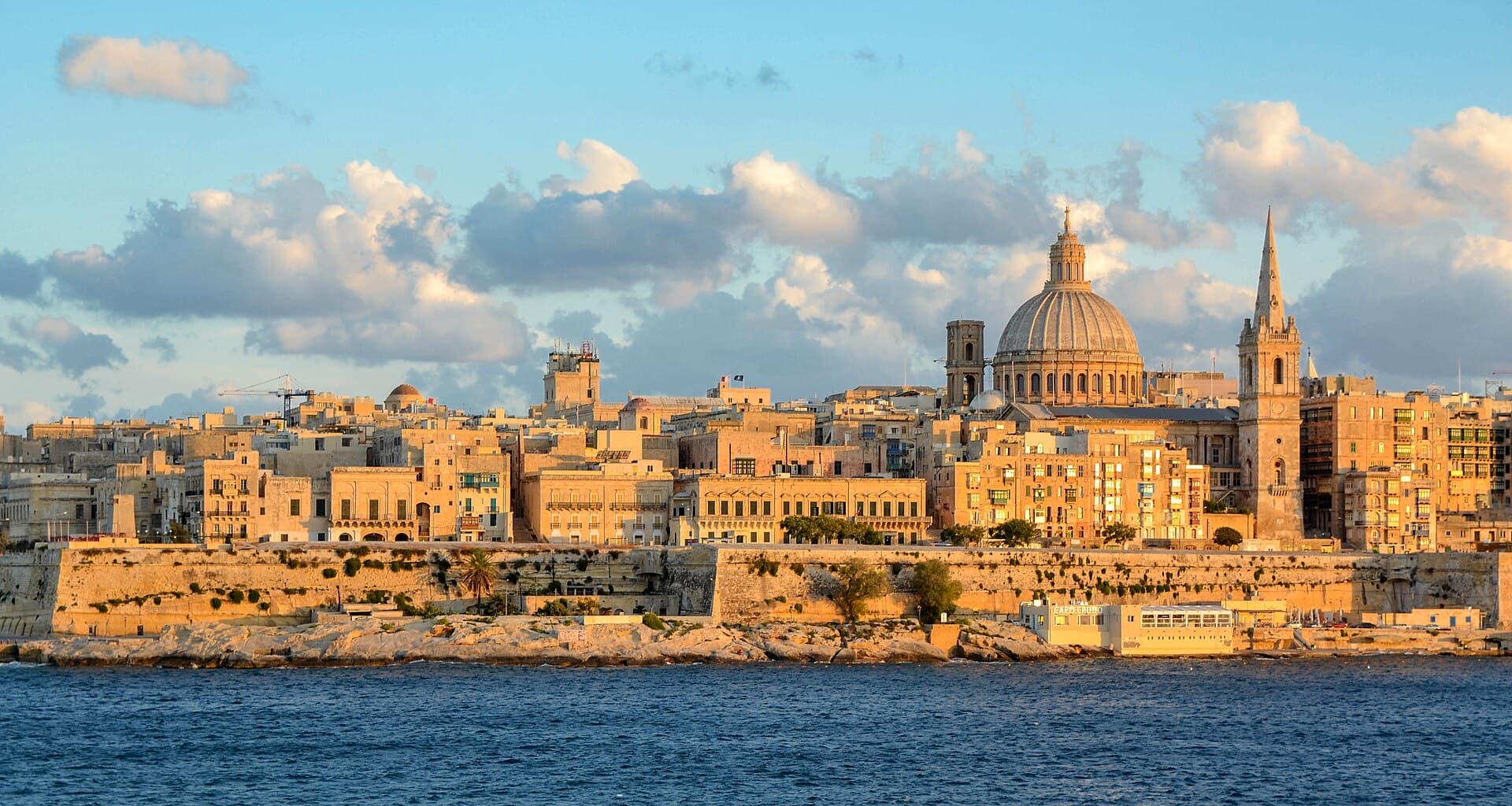
Valletta is worth visiting for a small capital with an extraordinary concentration of fortifications, churches, harbour views and Baroque streets. One full day can cover the essentials, while two allows the city to feel less like a cruise stop and more like a place to stay.
The peninsula is compact but hilly, with steep streets and stairways that make distance a poor measure of effort. Buses and ferries connect Valletta with other parts of Malta, so it can be a convenient base if your island itinerary is planned around the harbour.
Rooms and restaurants in the historic core can be expensive, and cruise arrivals create daytime crowds. The best visit begins early, includes a quiet evening and uses a ferry or bus for one deliberate cross-harbour outing.
Trip Fit Scores
The main Worth Score tells you whether Valletta is broadly worth considering. Trip Fit scores are more useful when you know the kind of trip you are planning.
First-Time Fit
How readable and rewarding Valletta feels for a first visit.
Weekend Fit
How much of Valletta's payoff fits into a focused one-to-three-day trip.
Couple Fit
How well Valletta supports atmosphere, shared pacing, food, and memorable time together.
Solo Fit
How confidently an independent traveler can move through and enjoy Valletta.
Budget Fit
How easily a traveler can control lodging, food, transport, and attraction costs in Valletta.
Walkability Fit
The city is short in distance but steep and stair-heavy underfoot.
Culture Fit
Churches, fortifications and city museums provide substantial history for a small place.
Family Fit
How comfortably Valletta supports mixed interests, practical movement, and group planning.
Risk Signals
Risk signals are not scores to optimize. They show where a Valletta trip can feel more expensive, crowded, tiring, or overhyped than expected.
Tourist Trap RiskiTourist Trap Risk: Based on central-area price friction, low-value attraction pressure, and how often Valletta rewards stepping beyond the obvious visitor circuit. Harbour-view menus and high-traffic streets can be expensive; compare side-street options.
Harbour-view menus and high-traffic streets can be expensive; compare side-street options.
Crowd PressureiCrowd Pressure: Flags when famous sights, queue density, narrow streets, or peak-season movement make Valletta feel more tiring than the itinerary suggests. Cruise visitors and summer peak hours fill the main streets and cathedral area.
Cruise visitors and summer peak hours fill the main streets and cathedral area.
Overrated RiskiOverrated Risk: Measures the gap between online hype and practical trip payoff for your time, budget, and first-visit expectations. Valletta is small by design; its strength is concentrated history rather than big-city variety.
Valletta is small by design; its strength is concentrated history rather than big-city variety.
Walking DifficultyiWalking Difficulty: Based on cobblestones, hill gradients, heat exposure, distance between useful areas, and pedestrian infrastructure reviewed for September 2026. Steep streets, steps, uneven paving and heat make even short routes tiring for some visitors.
Steep streets, steps, uneven paving and heat make even short routes tiring for some visitors.
Peak Season FrictioniPeak Season Friction: Looks at hotel demand, weather stress, crowd spikes, reservation pressure, and whether timing changes the core Valletta experience. Summer temperatures, cruise crowds and limited central rooms increase planning pressure.
Summer temperatures, cruise crowds and limited central rooms increase planning pressure.
Score Breakdown
Worth Score = Value Fit * 0.35 + Friction/Crowd * 0.25 + Culture * 0.25 + Transit/Walking * 0.15. Scores compare cities consistently, but they do not pretend travel taste is perfectly objective.
How we calculate this scoreWeighted visitor-trip decision score; Fortifications, churches, harbours and Maltese history give a strong cultural payoff.
The historic core is easy to orient around, with a clear set of major sights.
One or two days work well when the visit starts early and leaves room for a ferry.
Harbour views and quiet evening lanes make a strong short shared break.
A compact centre and island transport are practical, with evening routes worth checking.
The compact centre reduces daily transport cost; historic-core rooms and restaurants are the larger expenses.
Sights are close, but steep slopes, steps and stone paving make the route physically demanding.
Fortifications, churches, harbours and Maltese history give a strong cultural payoff.
Valletta is compact enough to keep transit spending low, but central rooms, cathedral tickets and harbour-side dining can make it a medium-to-high-cost city break.
Valletta is small enough to explore on foot but not easy underfoot. Steep streets, steps, heat and cruise crowds make it a physically demanding walk rather than a flat compact stroll.
Valletta is straightforward to orient in, but heat, stairs and busy arrival windows make a measured plan more comfortable.
Check current bus and ferry timetables for evening returns from outside the peninsula.
Buses and ferries connect the island, while heat and hills require a measured day plan.
Best For / Not Ideal For
Best for
- History and architecture
- Harbour and ferry routes
- Short Mediterranean city stays
- Malta cultural bases
Not ideal for
- Low-walking itineraries
- Peak-season budget stays
- Beach-first trips
- Visitors seeking a large metropolitan city
How Many Days Do You Need in Valletta?
Two days is ideal for Valletta: one for the major historic core and a second for a slower harbour crossing, museum or Three Cities outing.
1 day
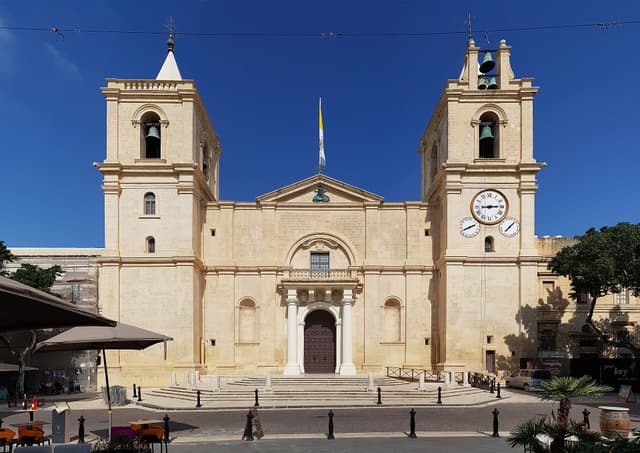
Start early, visit St John's Co-Cathedral and choose one museum or harbour viewpoint before the busiest hours.
2 days
Add a ferry to the Three Cities or Sliema and keep an evening for the quieter streets after day visitors leave.
3 days
Use the city as a base for Malta buses and ferries, checking the return time to avoid unnecessary backtracking.
4+ days
Stay longer only if Valletta is your island hub; add coastal trips rather than more loops through the same streets.
Valletta Budget: What to Expect
Valletta is compact enough to keep transit spending low, but central rooms, cathedral tickets and harbour-side dining can make it a medium-to-high-cost city break.
- Compare Valletta with nearby Sliema or the Three Cities, including ferry time and the cost of returning at night.
- Malta Public Transport offers buses and ferry services; check current fares and pass rules rather than relying on an old summer fare.
- Book central accommodation early for peak season, and verify the exact hill or stair route from the room.
- Choose one paid historic interior that matters rather than treating every ticket as essential.
Walk the centre, use one ferry and choose casual meals away from the busiest squares.
A central room and a few museum or cathedral visits create a comfortable short break.
Peak-season rooms, harbour-view dining and repeated taxis are the main cost escalators.
Is Valletta Walkable?
Valletta is small enough to explore on foot but not easy underfoot. Steep streets, steps, heat and cruise crowds make it a physically demanding walk rather than a flat compact stroll.
- Start early and group sights by street level to avoid repeating steep climbs.
- Use the Barrakka Lift, where operating, and ferries to reduce vertical and harbour crossings.
- Check step-free routes before booking for mobility needs or a stroller.
- Plan a shaded pause and water between the cathedral and exposed fortifications.
Safety & Comfort
Valletta is straightforward to orient in, but heat, stairs and busy arrival windows make a measured plan more comfortable.
- Check current bus and ferry timetables for evening returns from outside the peninsula.
- Choose shoes for stone streets and plan the steepest walks during cooler hours.
- Verify opening times for churches and museums around religious services and public holidays.
Where to Stay in Valletta
Staying inside Valletta makes a short visit simple; nearby harbour districts can offer more space or value if their ferry and bus links fit your evenings.
Valletta core
Puts churches, museums and viewpoints within a short walk, with limited rooms and higher prices.
3 options to compare
Valletta core first-time shortlist
Valletta core flexible hotel deals
Valletta core top-rated stays
What to Book Before You Go
Valletta needs little planning beyond the main historic interior, accommodation and any ferry outing; check access and opening hours before you arrive.
Book the boring stuff before it becomes expensive.
Valletta works better when you buy a 72-hour transit pass and stop feeding parking meters.
Check transit and walking notesSt John's Co-Cathedral can sell out or turn into a queue with a view of other people's backpacks.
Explore tours in Valletta ↗Worth it for late arrivals, families, heavy bags, or anyone landing tired enough to make bad taxi choices.
Check arrival comfort notesBook early
Valletta core is the easiest first base.
Pick the area before chasing the cheapest room. Location changes walking time, arrival friction, and evening comfort.
Compare stay areas ↗Plan one high-friction anchor.
Check the current visitor timetable, entry arrangements and service schedule.
Explore tours in Valletta ↗Optional
Useful when arrival friction is high.
Late arrivals, heavy bags, and family trips can make a transfer worth considering.
Check comfort notesOnly useful for attraction-heavy trips.
Do the math before buying; many city trips are better with selective tickets.
Review trip fitUseful for smoother first hours.
Worth considering if you rely on maps, transit, restaurant saves, or late-arrival coordination.
Check arrival frictionUsually not needed
Do not rent a car for Valletta itself.
A car usually adds friction inside the city.
See walkability notesBooking checks for Valletta
Prioritize the bookings that reduce real trip friction: the right base, one useful activity, and backup for higher-risk logistics.
Book the high-friction anchor, skip the filler.
Valletta has enough trip payoff to justify one planned activity when it protects time, queues, or route quality.
Insurance is worth checking before a higher-friction trip.
Valletta has enough comfort, transport, or peak-season friction that medical coverage and trip disruption backup deserve a quick pre-trip check.
Choose the stay area before choosing the room.
Check hotel availability around Valletta coreso room savings do not become daily transfer friction.
Common Valletta Mistakes
Assuming short means easy
Valletta's steep streets and stairs make a compact route more tiring than it looks.
Arriving at the main sights at midday
Cruise crowds and heat are easier to manage with an early start.
Staying across the harbour without checking return times
Ferries are useful but schedules and weather shape the evening connection.
Booking a room without checking access
Historic buildings may have steps, narrow lifts or steep streets outside.
Compare Valletta with similar cities
Valletta is strong, but not always the best choice.
The point of WorthTheCity is not to crown one universal winner. Compare Valletta with nearby or similar cities if you are deciding between value, ease, culture, trip length, and travel style.
Where Valletta ranks highly
Only lists where Valletta appears in the published top ten are shown.
Valletta FAQ
Is Valletta worth visiting?
Yes, for its historic core, churches, fortifications and harbour views. One or two days is enough for most visitors.
How many days do you need in Valletta?
One day covers the main sights; two allows a ferry outing and a quieter evening.
Is Valletta walkable?
It is compact but steep, with steps and uneven paving. Visitors should assess mobility and heat before planning long walks.
Is Valletta expensive?
Central rooms and harbour-side dining can be costly, though the short distances keep local transport spending manageable.
Can I use Valletta as a base for Malta?
Yes. Buses and ferries connect the city with other parts of Malta; check current service times for each day trip.
Support WorthTheCity
WorthTheCity is free to use and supported by affiliate links and optional reader support. Scores stay editorial and are not determined by affiliate partnerships.
Support the projectSome booking links may earn WorthTheCity a commission at no extra cost to you. Affiliate links do not determine city scores.