City Scores
Browse editorial city score pages by trip fit, budget feel, walkability, comfort, and overall Worth Score. Each city page is built to answer one question: is this city worth your trip? This is not a livability index; cities are scored as trips for visitors.
82/100 · Worth Planning
255 cities
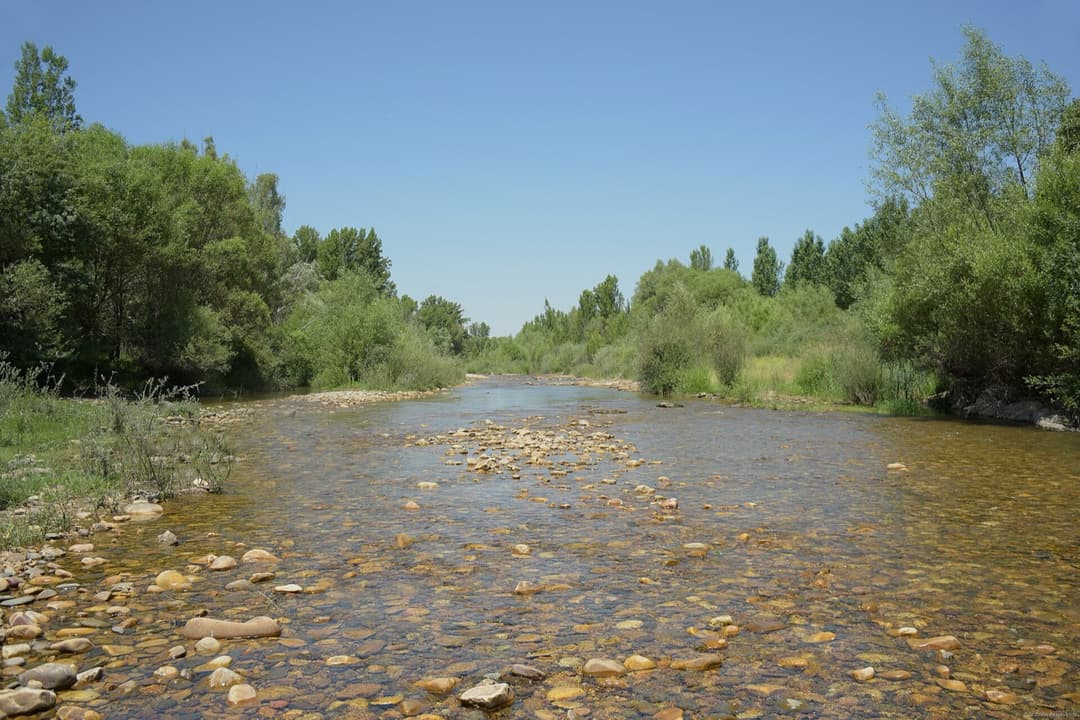
León is a rewarding inland Spain stop for Gothic architecture, Camino history and lively tapas streets. The centre is small enough to enjoy slowly, and its evening food culture gives a one-night stop more character than a quick cathedral photograph.
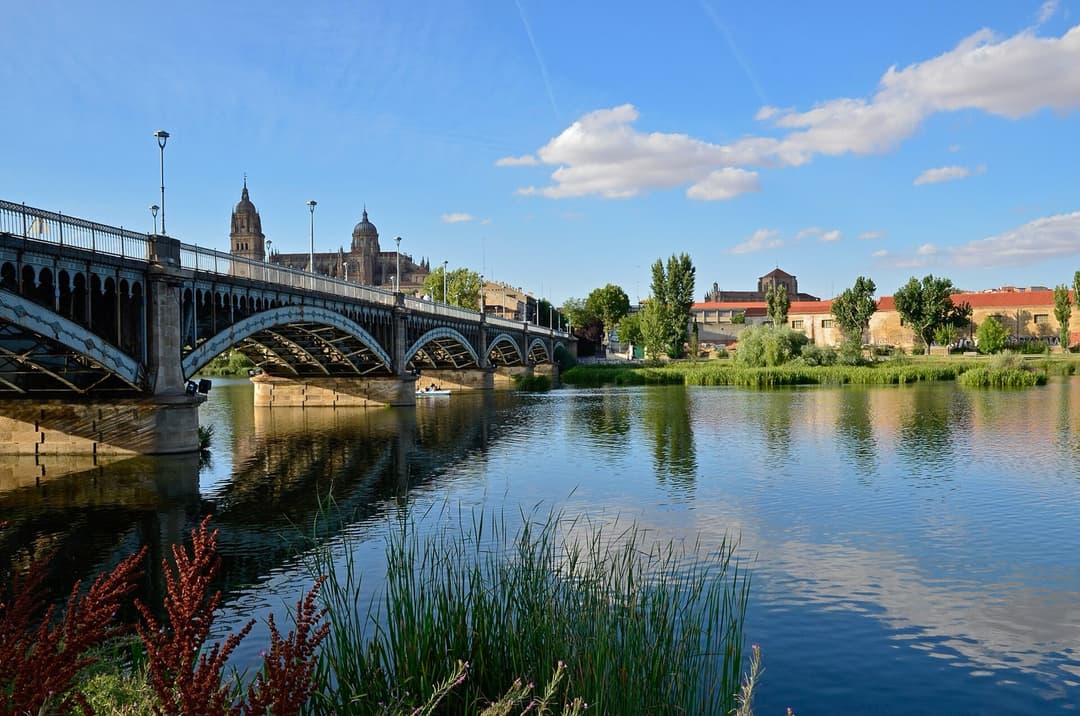
Salamanca is one of Spain's easiest cities for a focused architecture-and-food weekend. Golden sandstone, university courtyards and the Plaza Mayor form a coherent walking trip, while the student population keeps the centre lively after sightseeing.
Ljubljana is worth visiting for a charming walkable center, river cafes, castle views, food, and Slovenia day trips, but it is small enough that extra days need excursions.
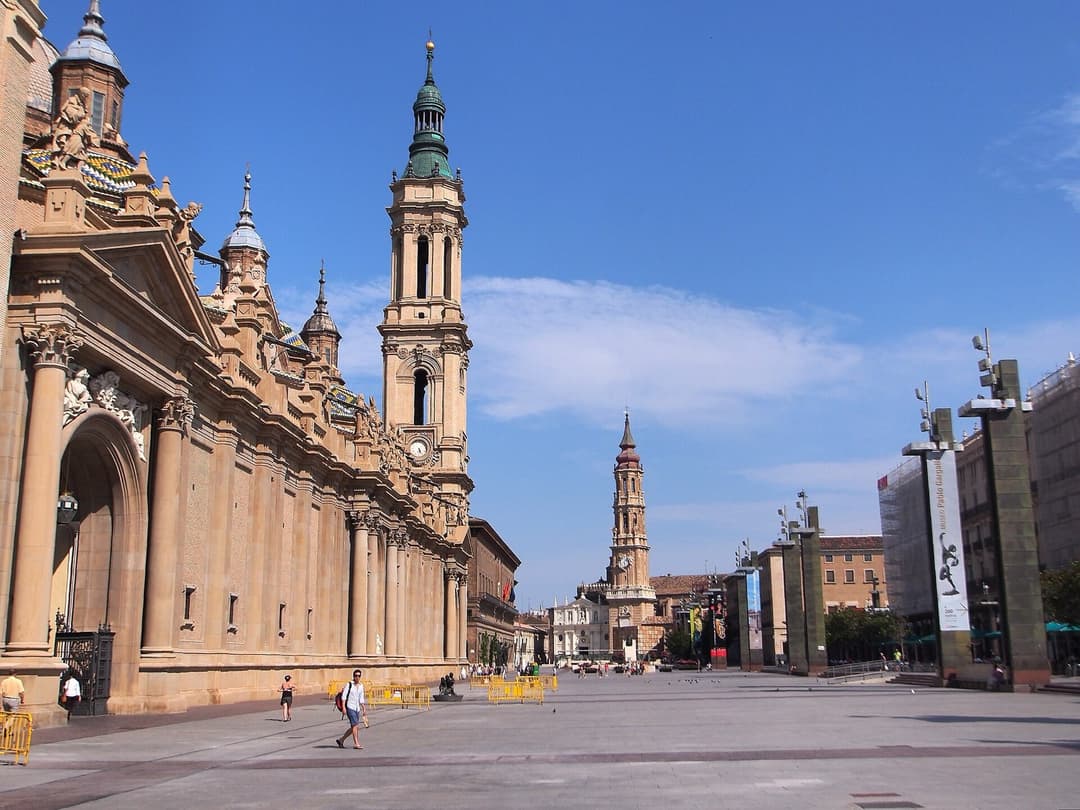
Zaragoza earns a short break with its monumental Basilica del Pilar, Roman remains and Mudéjar architecture, balanced by a strong tapas culture. It is an accessible alternative to Spain's largest tourist hubs when you want substance without a constant queue.
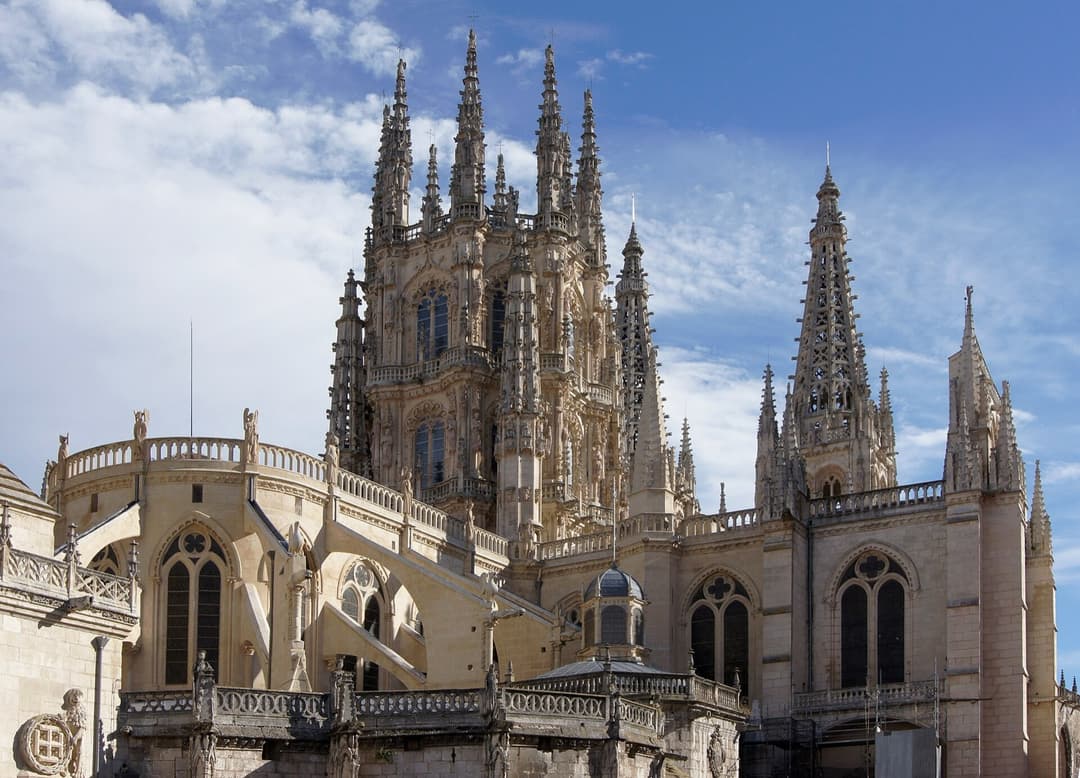
Burgos is a strong Castilian stop for Gothic architecture, Camino heritage and hearty regional food. The cathedral dominates the skyline, but a second day makes room for the Human Evolution Museum and a more complete picture of the city.
Taipei is worth visiting for night markets, food, temples, hiking access, transit ease, and value, making it one of Asia's strongest lower-friction city breaks.
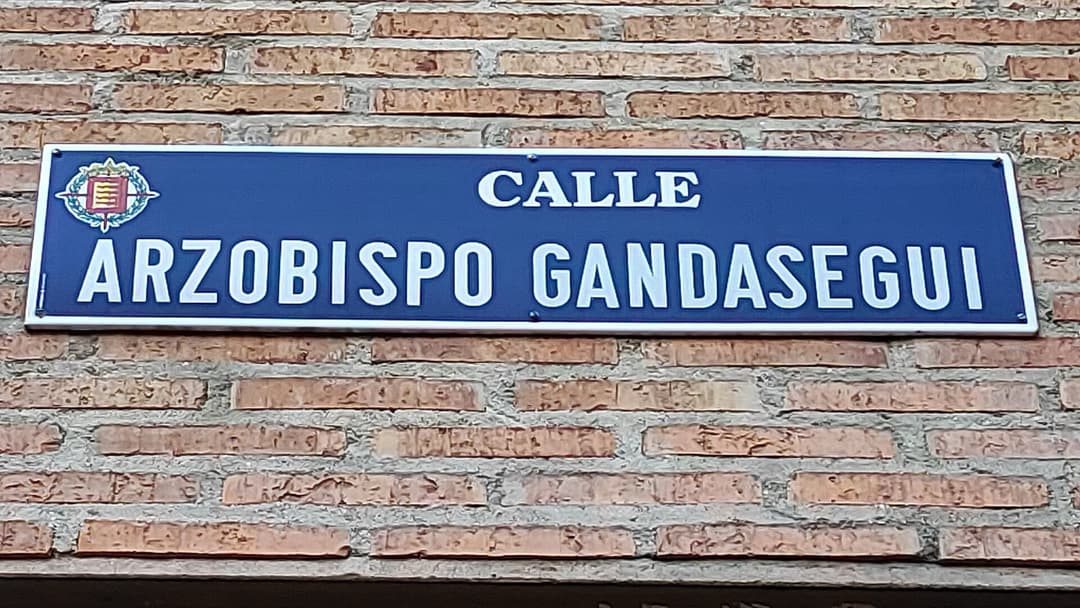
Valladolid is a low-friction Spanish city for travelers interested in Renaissance architecture, sculpture and Castilian food. Its best rhythm is a central walking day followed by a slow meal or a planned wine-region excursion.
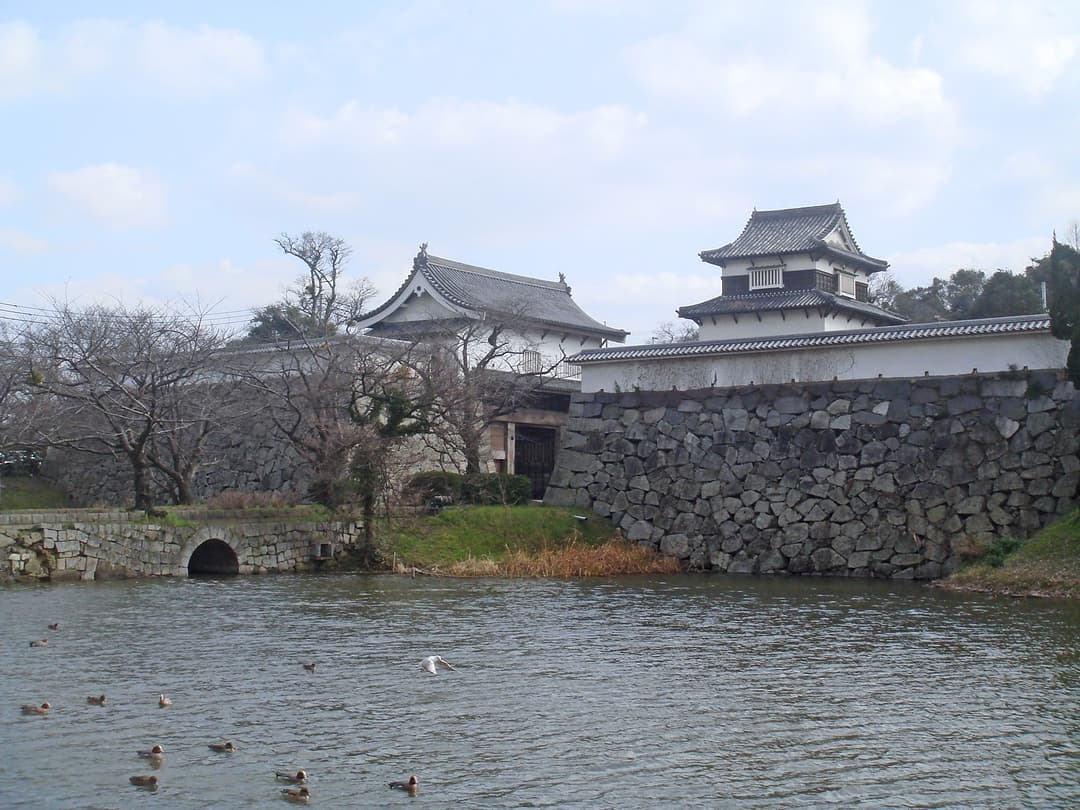
Fukuoka is worth visiting for a relaxed, food-led Japanese city break that is easier to navigate than Tokyo or Osaka. Hakata, Tenjin, the riverside and neighbourhood food stalls offer enough variety for two or three days without an exhausting checklist.
Ghent works best as a 2-day trip when its core appeal—canal atmosphere, student energy, food, and better value than the obvious belgium stops—matches your priorities. The strongest days are built around a few well-chosen areas.
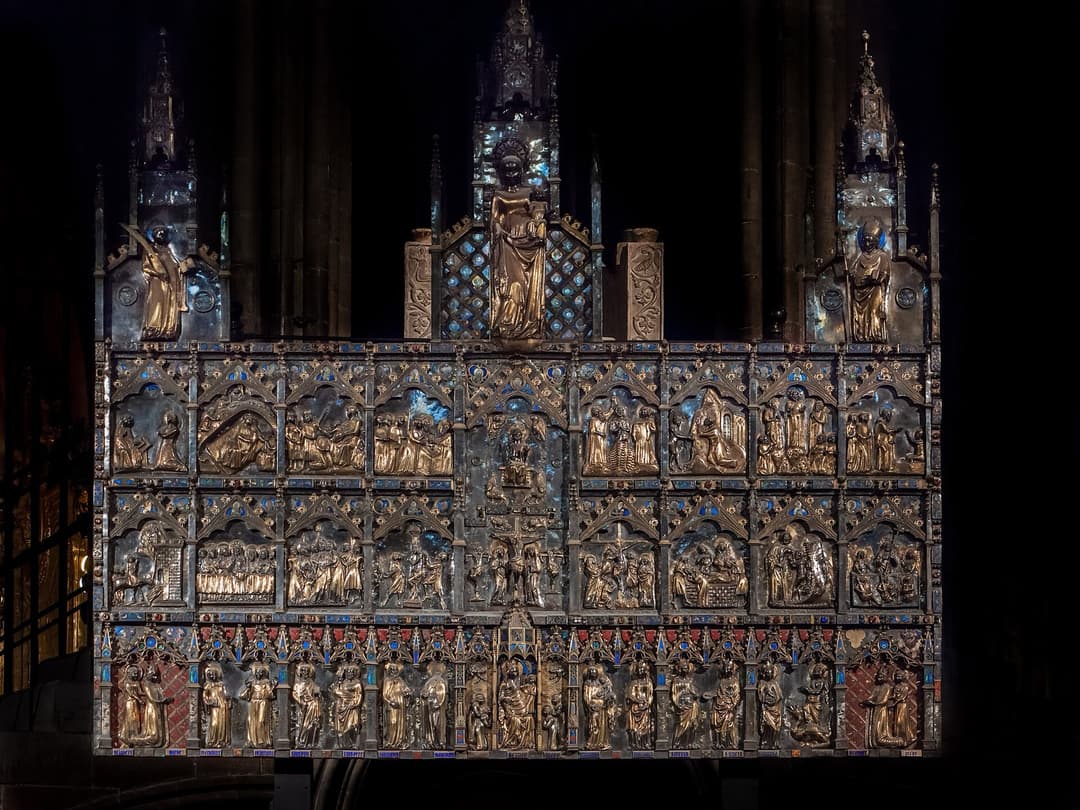
Girona offers a compact Catalan city break with medieval walls, a riverfront old town and strong food culture. One full day covers the main sights; an overnight makes room for the quieter streets and a slower meal.
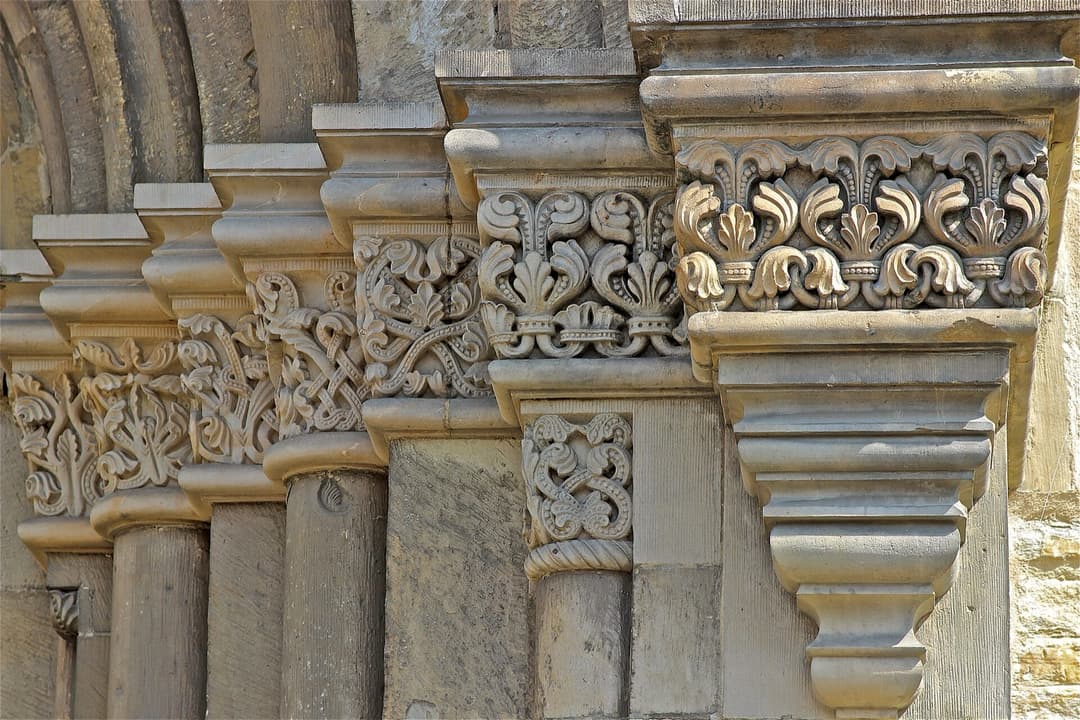
Münster is a calm, bike-friendly German city for historic squares, university life and an easy day around the Aasee. It suits travelers looking for a slower regional break rather than an internationally famous monument circuit.
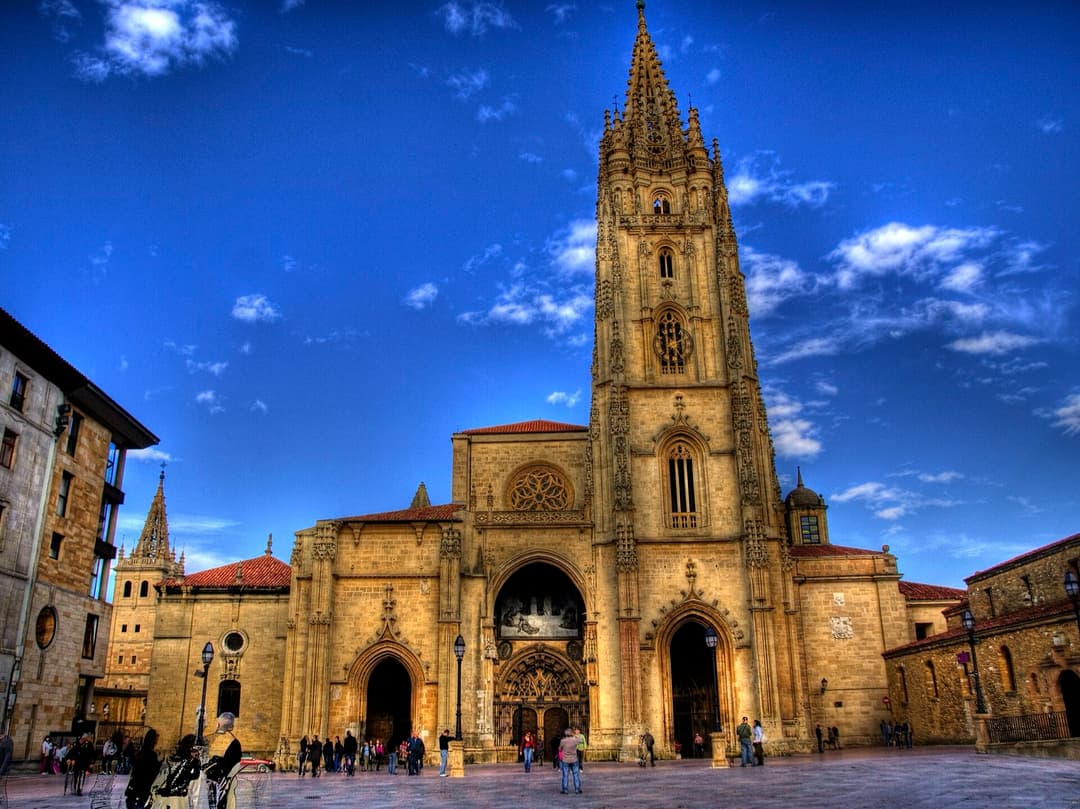
Oviedo rewards a short visit with a handsome old centre, Asturian cider culture and pre-Romanesque heritage just beyond the main streets. It is a comfortable city break for travelers who value daily life and food over a major-monument checklist.
Porto works best as a 2-3-day trip when its core appeal—compact, atmospheric, better value than lisbon, but smaller in scope—matches your priorities. The strongest days are built around a few well-chosen areas.
Vienna is worth visiting for museums, cafes, music, palaces, comfort, and polished logistics, but it can feel too formal if you want gritty street energy.
Bologna works best as a 2-day trip when its core appeal—food, porticoes, student energy, and a quieter case than italy's icons—matches your priorities. The strongest days are built around a few well-chosen areas.
Bucharest works best as a 2-3-day trip when its core appeal—value, nightlife, architecture contrasts, and uneven urban texture—matches your priorities. The strongest days are built around a few well-chosen areas.
Da Nang works best as a 3-day trip when its core appeal—urban beaches, modern convenience, food, and easy access to hoi an and central vietnam—matches your priorities. The strongest days are built around a few well-chosen areas.
Edinburgh works best as a 2-3-day trip when its core appeal—atmospheric, compact, festival-season sensitive, and weather-dependent—matches your priorities. The strongest days are built around a few well-chosen areas.
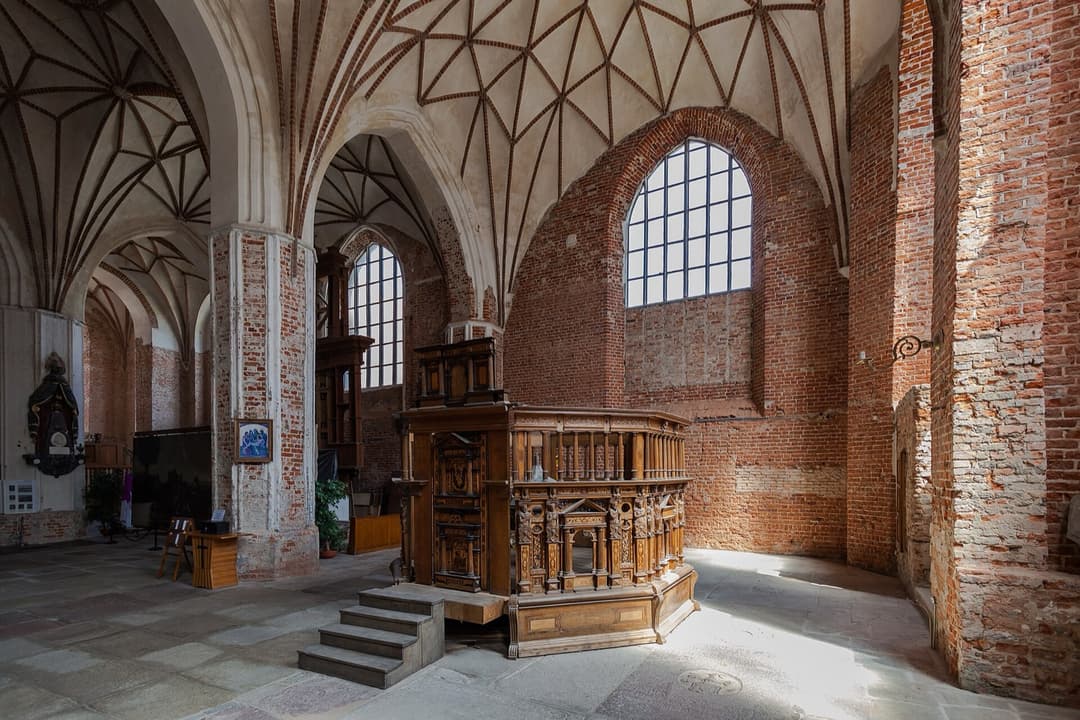
Gdańsk is a compelling Baltic city for Hanseatic streets, shipyard history and a relaxed waterfront rhythm. It rewards visitors who combine the reconstructed Main Town with the places that explain the city's modern history.
Hoi An is worth visiting for lantern-lit streets, food, tailoring, cycling, beaches, and romance, but crowds and commercialization are real in the historic core.
Lyon works best as a 2-3-day trip when its core appeal—food, old-town texture, roman history, and lower spectacle than paris—matches your priorities. The strongest days are built around a few well-chosen areas.
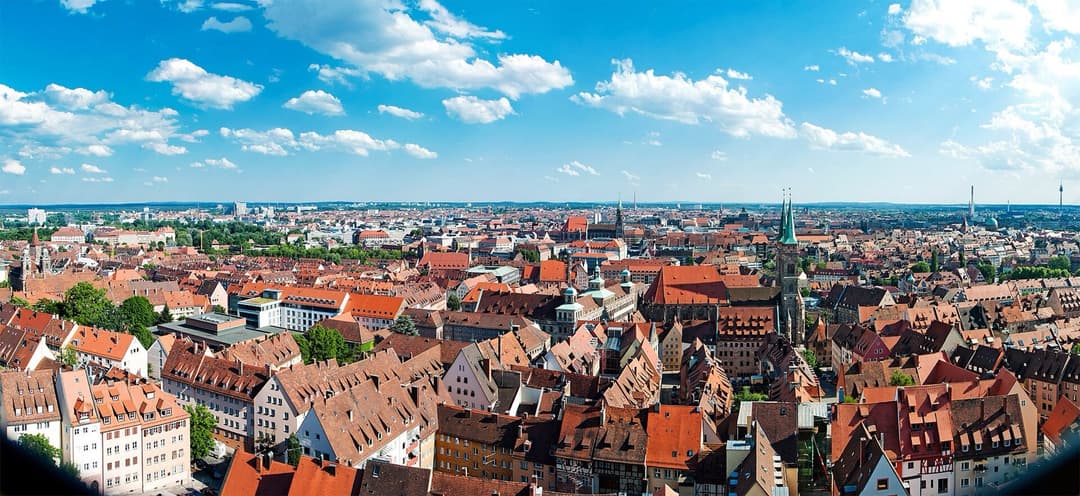
Nuremberg offers a strong first Germany break through its castle, medieval streets, food markets and difficult twentieth-century history. Three days allow the old town and the Documentation Center to sit alongside time for Franconian food.
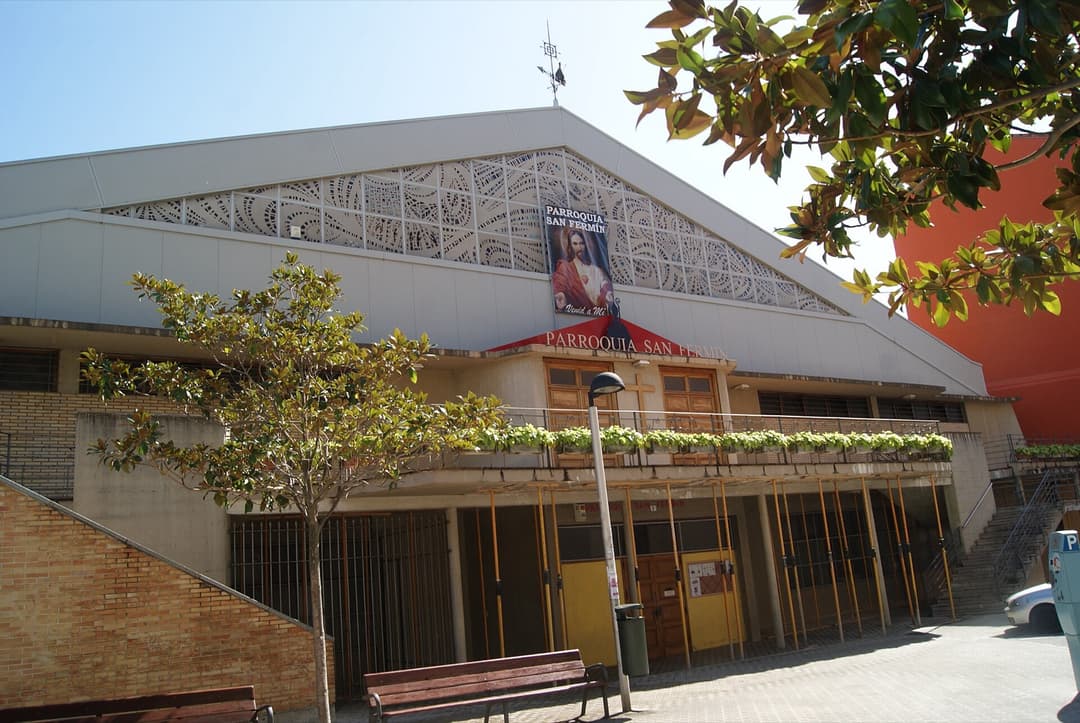
Pamplona is worth a weekend for its compact old town, Navarrese food and green walking paths even when the running of the bulls is not part of the plan. Outside San Fermín, it feels more like a lived-in regional capital than a festival set.
Sarajevo works best as a 2-3-day trip when its core appeal—history, food, hills, value, and emotionally heavy context—matches your priorities. The strongest days are built around a few well-chosen areas.