Quick Decision
If you only read one part of this page, make it this: Fukuoka is strongest when its trip fit matches the way you actually travel, not just when the overall score looks high.
Choose Fukuoka if
- You want a first or final Japan stop with low airport-to-city friction.
- Food, ramen, markets and lively evening streets matter more than monumental sightseeing.
- You want a compact city base before exploring Kyushu by train or bus.
- You enjoy a calm, well-connected city that does not need a five-day schedule.
Skip Fukuoka if
- You want a packed megacity itinerary with world-famous landmarks every hour.
- You have already planned several Japanese cities and need a distinctly different cultural scale.
- You want to visit all of Kyushu while staying only in the city centre.
- Your trip is built around a major theme park or a single headline museum elsewhere.
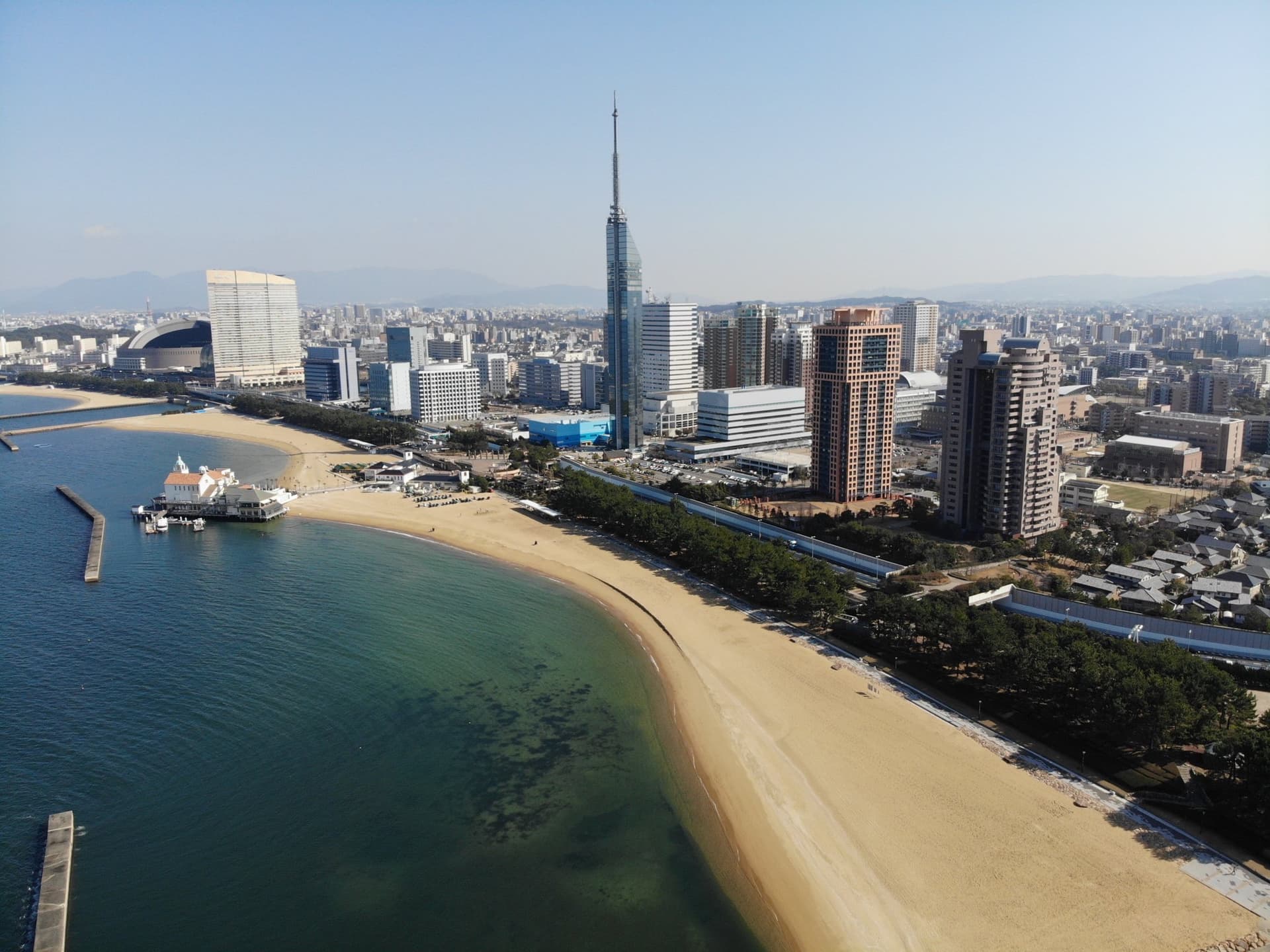
Fukuoka is worth visiting for a relaxed, food-led Japanese city break that is easier to navigate than Tokyo or Osaka. Hakata, Tenjin, the riverside and neighbourhood food stalls offer enough variety for two or three days without an exhausting checklist.
The airport is unusually close to the urban core, and the subway links the airport, Hakata and Tenjin. That convenience makes Fukuoka especially attractive for a short stop before or after a wider Kyushu trip.
The trade-off is scale: travelers who want a dense list of globally famous sights may find the city quieter than expected. Its payoff comes from meals, parks, local districts and the option to keep moving onward.
Trip Fit Scores
The main Worth Score tells you whether Fukuoka is broadly worth considering. Trip Fit scores are more useful when you know the kind of trip you are planning.
First-Time Fit
How readable and rewarding Fukuoka feels for a first visit.
Weekend Fit
How much of Fukuoka's payoff fits into a focused one-to-three-day trip.
Couple Fit
How well Fukuoka supports atmosphere, shared pacing, food, and memorable time together.
Solo Fit
How confidently an independent traveler can move through and enjoy Fukuoka.
Budget Fit
How easily a traveler can control lodging, food, transport, and attraction costs in Fukuoka.
Walkability Fit
Hakata, Tenjin and Ohori Park each work well as local walking clusters.
Culture Fit
Shrines, markets and modern city life make for a gentle rather than monumental culture trip.
Family Fit
How comfortably Fukuoka supports mixed interests, practical movement, and group planning.
Risk Signals
Risk signals are not scores to optimize. They show where a Fukuoka trip can feel more expensive, crowded, tiring, or overhyped than expected.
Tourist Trap RiskiTourist Trap Risk: Based on central-area price friction, low-value attraction pressure, and how often Fukuoka rewards stepping beyond the obvious visitor circuit. Food stalls are enjoyable but often have small menus and queues; compare options rather than assuming every yatai is a must.
Food stalls are enjoyable but often have small menus and queues; compare options rather than assuming every yatai is a must.
Crowd PressureiCrowd Pressure: Flags when famous sights, queue density, narrow streets, or peak-season movement make Fukuoka feel more tiring than the itinerary suggests. Tenjin, Hakata and popular evening stalls get busy around events and weekends.
Tenjin, Hakata and popular evening stalls get busy around events and weekends.
Overrated RiskiOverrated Risk: Measures the gap between online hype and practical trip payoff for your time, budget, and first-visit expectations. Fukuoka is less satisfying when judged only by famous monuments instead of food and daily city life.
Fukuoka is less satisfying when judged only by famous monuments instead of food and daily city life.
Walking DifficultyiWalking Difficulty: Based on cobblestones, hill gradients, heat exposure, distance between useful areas, and pedestrian infrastructure reviewed for September 2026. Central neighbourhoods are fairly easy to cover on foot, with the subway useful for longer links.
Central neighbourhoods are fairly easy to cover on foot, with the subway useful for longer links.
Peak Season FrictioniPeak Season Friction: Looks at hotel demand, weather stress, crowd spikes, reservation pressure, and whether timing changes the core Fukuoka experience. Festival and event dates can raise hotel demand and fill popular restaurants.
Festival and event dates can raise hotel demand and fill popular restaurants.
Score Breakdown
Worth Score = Value Fit * 0.35 + Friction/Crowd * 0.25 + Culture * 0.25 + Transit/Walking * 0.15. Scores compare cities consistently, but they do not pretend travel taste is perfectly objective.
How we calculate this scoreWeighted visitor-trip decision score; Food culture, parks and neighbourhood evenings give Fukuoka a friendly, lived-in character.
Airport and city subway links make a first Japan stop easier to understand.
Two or three days are enough for food, parks and a few neighbourhoods.
Open-air food stalls and riverside evenings create a relaxed shared trip.
Good transit, clear districts and casual dining are comfortable for independent visitors.
Transit and local meals are manageable; central hotel rates depend on weekends and event demand.
Hakata, Tenjin and the riverside are easy to combine, with subway filling the small gaps.
Food culture, parks and neighbourhood evenings give Fukuoka a friendly, lived-in character.
Fukuoka is easier to budget than many larger Japanese city breaks, especially for food and transit. Central hotels still rise on weekends and during festivals, so compare the complete stay before choosing dates.
Fukuoka is one of the easier Japanese cities for a short walking trip. Hakata, Tenjin, the river and Ohori Park work as separate but simple clusters, with subway links between them.
Fukuoka is a low-friction arrival city, though popular evening food areas require patience and a flexible meal plan.
The subway reaches the airport and key central stations; check which terminal connection is needed.
Clear rail links and an airport beside the subway make arrival unusually simple.
Best For / Not Ideal For
Best for
- Food-focused Japan trips
- Short and easy city breaks
- Kyushu rail itineraries
- First-time independent travelers
Not ideal for
- Major-landmark checklists
- Long stays without day trips
- Travelers seeking a huge-city pace
- Island-wide trips without onward transport
How Many Days Do You Need in Fukuoka?
Two days is enough for a first taste of Fukuoka; three makes room for parks, a deeper food itinerary and a slower neighbourhood day.
1 day
Use the subway from the airport, choose Hakata or Tenjin, and keep the evening free for a local meal.
2 days
Add Ohori Park or a shrine-market area and give yourself time for a second food neighbourhood.
3 days
The best balance for an unhurried city visit before continuing to another part of Kyushu.
4+ days
Add a day trip or regional rail excursion; staying in Fukuoka for a long checklist is unnecessary for most travelers.
Fukuoka Budget: What to Expect
Fukuoka is easier to budget than many larger Japanese city breaks, especially for food and transit. Central hotels still rise on weekends and during festivals, so compare the complete stay before choosing dates.
- The city subway sells distance-based fares and a one-day pass; compare the pass with the rides you actually expect to take.
- Airport-to-centre travel is short by subway, which helps avoid a costly private transfer for most arrivals.
- Food stalls and casual restaurants offer choice at different price levels, but queues do not guarantee better value.
- For Kyushu day trips, compare rail fares and schedules separately from the Fukuoka urban transit budget.
Use the subway sparingly, stay near a central station and mix casual meals with one chosen splurge.
A central hotel, several restaurant meals and one day pass create a comfortable city weekend.
A last-minute event-week room and frequent regional excursions are the main budget risks.
Is Fukuoka Walkable?
Fukuoka is one of the easier Japanese cities for a short walking trip. Hakata, Tenjin, the river and Ohori Park work as separate but simple clusters, with subway links between them.
- Use the subway for the airport and longer hops, then walk the surrounding streets at a relaxed pace.
- Treat Hakata and Tenjin as different food and shopping bases rather than as one continuous sightseeing block.
- Ohori Park is a pleasant slower stop; pair it with nearby attractions rather than returning to the centre twice.
- The one-day subway pass covers rail, not every local bus or regional train.
Safety & Comfort
Fukuoka is a low-friction arrival city, though popular evening food areas require patience and a flexible meal plan.
- The subway reaches the airport and key central stations; check which terminal connection is needed.
- Keep a second restaurant option near the first if a yatai queue is long or weather turns.
- Use Fukuoka as a practical base for Kyushu, but reserve the separate intercity seat when your onward schedule is tight.
Where to Stay in Fukuoka
Most visitors should stay near Hakata or Tenjin, choosing between rail convenience and a livelier food-and-shopping evening.
Hakata
Best for fast arrivals, shinkansen transfers and onward journeys across Kyushu.
3 options to compare
Hakata first-time shortlist
Hakata flexible hotel deals
Hakata top-rated stays
What to Book Before You Go
Fukuoka rewards a light plan. Set the hotel base and onward Kyushu transport, then leave room to follow a meal recommendation rather than overbooking attractions.
Book the boring stuff before it becomes expensive.
Fukuoka works better when you buy a 72-hour transit pass and stop feeding parking meters.
Check transit and walking notesA subway fare choice can sell out or turn into a queue with a view of other people's backpacks.
Explore tours in Fukuoka ↗Worth it for late arrivals, families, heavy bags, or anyone landing tired enough to make bad taxi choices.
Check arrival comfort notesBook early
Hakata is the easiest first base.
Pick the area before chasing the cheapest room. Location changes walking time, arrival friction, and evening comfort.
Compare stay areas ↗Plan one high-friction anchor.
Check the current one-day pass and use it only if your day includes enough subway rides.
Explore tours in Fukuoka ↗Optional
Useful when arrival friction is high.
Late arrivals, heavy bags, and family trips can make a transfer worth considering.
Check comfort notesOnly useful for attraction-heavy trips.
Do the math before buying; many city trips are better with selective tickets.
Review trip fitUseful for smoother first hours.
Worth considering if you rely on maps, transit, restaurant saves, or late-arrival coordination.
Check arrival frictionUsually not needed
Do not rent a car for Fukuoka itself.
A car usually adds friction inside the city.
See walkability notesBooking checks for Fukuoka
Prioritize the bookings that reduce real trip friction: the right base, one useful activity, and backup for higher-risk logistics.
Book the high-friction anchor, skip the filler.
Fukuoka has enough trip payoff to justify one planned activity when it protects time, queues, or route quality.
Choose the stay area before choosing the room.
Check hotel availability around Hakataso room savings do not become daily transfer friction.
Common Fukuoka Mistakes
Expecting Tokyo-scale sightseeing
Fukuoka works through food, neighbourhoods and ease rather than a nonstop landmark list.
Treating every yatai as a required stop
Choose by menu and queue; the evening is better when you do not turn food into a checklist.
Confusing subway and regional rail passes
Urban day tickets do not automatically cover a Kyushu excursion.
Staying far from both Hakata and Tenjin
A modestly cheaper room can make quick meals and onward rail less convenient.
Compare Fukuoka with similar cities
Fukuoka is strong, but not always the best choice.
The point of WorthTheCity is not to crown one universal winner. Compare Fukuoka with nearby or similar cities if you are deciding between value, ease, culture, trip length, and travel style.
Where Fukuoka ranks highly
Only lists where Fukuoka appears in the published top ten are shown.
Fukuoka FAQ
Is Fukuoka worth visiting?
Yes, for food, an easy urban pace and a short city break before exploring Kyushu. It is less suited to travelers seeking a dense checklist of famous monuments.
How many days should I spend in Fukuoka?
Two days are enough for a first visit; three allow a slower pace and another neighbourhood or park.
Is Fukuoka Airport close to the city?
The city subway connects the airport with Hakata and Tenjin, making it a notably convenient arrival for a Japanese city.
Is Fukuoka expensive?
Food and transit offer flexible choices. Hotel rates rise on event weekends, so check the stay total before booking.
Where should I stay in Fukuoka?
Hakata is best for rail and airport links; Tenjin is better for restaurants, shopping and evening energy.
Support WorthTheCity
WorthTheCity is free to use and supported by affiliate links and optional reader support. Scores stay editorial and are not determined by affiliate partnerships.
Support the projectSome booking links may earn WorthTheCity a commission at no extra cost to you. Affiliate links do not determine city scores.