Explore stays in Salamanca
Compare location and nightly price against the trip fit above.
Search Salamanca stays ↗Reviewed September 28, 2026 · WorthTheCity Editorial Team
Salamanca has the broader all-round fit, but Santiago de Compostela remains the better choice when pilgrimage and religious history is the point of the trip.
Salamanca leads 7 categories. Santiago de Compostela leads 0 categories.
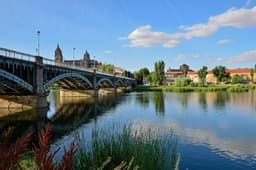 SalamancaSpain88
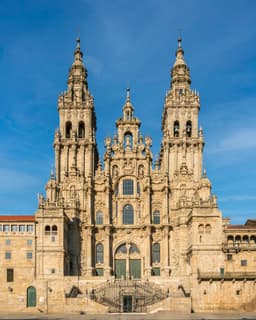 Santiago de CompostelaSpain81
Both links open broad search results. No hotel is presented as an editorial pick.
Compare location and nightly price against the trip fit above.
Search Salamanca stays ↗Compare location and nightly price against the trip fit above.
Search Santiago de Compostela stays ↗Salamanca and Santiago de Compostela separate most clearly on walkability. Salamanca has the clearer walkability edge, leading by 10 points. Use the sections below to decide whether that gap matters to your trip.
Salamanca leads across more decision categories. Choose Santiago de Compostela instead when its trip style and strongest experiences matter more than the overall gap.
Salamanca pairs a 88/100 Worth Score with 84/100 for budget fit; Santiago de Compostela pairs 81/100 with 78/100. The stronger return depends on which city's advantages you will actually use.
Salamanca has the clearer budget fit edge, leading by 6 points. Salamanca: The main budget decision in Salamanca is Student dining and central tapas can offer good value, but the cost of reaching Salamanca may dominate a very short visit. Compare a two-night stay with a rushed same-day transfer; a night in the centre buys calmer streets and a better meal. Build the visit around 2 days and compare the real cost of your chosen base with daily movement. Santiago de Compostela: Santiago can be a controlled short stay because the historic centre is walkable, but pilgrimage and festival demand can push room rates up when the central inventory is limited. Accommodation changes the equation: Salamanca starts with Old Town works best for first-time visits; Keeps the university, cathedrals and Plaza Mayor within an easy stroll.; Santiago de Compostela starts with Historic centre works best for first-time visitors; Keeps the cathedral, restaurants and main squares within a short walk..
Salamanca has the clearer walkability edge, leading by 10 points. Salamanca is walkable where the main visitor streets cluster, but Walk the historic core. The station is outside the old town, so use a short taxi or bus when carrying bags; buses are often more direct than trains for some Madrid journeys, so compare current schedules. Santiago de Compostela: Santiago is compact and easy to explore on foot, although cobbles, steps and rain can make short distances feel slower than a map suggests.
Salamanca is best matched to architecture and university history and a walkable weekend, but is less suitable for one-day madrid transfers with no overnight. Santiago de Compostela is best matched to pilgrimage and religious history and architecture and old towns, but is less suitable for warm-weather resort trips.
Both cities work best with 2 days, but the usable itinerary differs. Salamanca prioritizes seeing the university facade and courtyards with time to look closely; Santiago de Compostela prioritizes cathedral visit.
Comfort is effectively even: Salamanca scores 0, while Santiago de Compostela scores 0. Salamanca: A comfortable visit to Salamanca comes from matching your base and daily pace to the city. Most headline sights are close, but the city is a long rail or road journey from Madrid compared with faster day-trip assumptions. Summer afternoons can be very hot; plan the open plazas for morning and evening. Santiago de Compostela: The centre is legible, but weather and pilgrimage crowds affect comfort more than urban navigation.
Salamanca: Crowd Pressure: Visitor pressure is most noticeable around Plaza Mayor and the University of Salamanca facade; Spring and autumn are comfortable for long plaza walks; summer is hot and winter evenings can be cold. Check university term dates and local festivals if hotel availability is tight. Santiago de Compostela: Crowd Pressure: Pilgrim arrival peaks and religious festivals concentrate visitors around the cathedral.
You want historic and collegiate experiences anchored by Plaza Mayor and the University of Salamanca facade.
Walk the historic core. The station is outside the old town, so use a short taxi or bus when carrying bags; buses are often more direct than trains for some Madrid journeys, so compare current schedules. Build one compact cluster around Old Town instead.
You want a meaningful cathedral and pilgrimage-history visit, whether or not you walk the Camino.
The cathedral city deserves its own time even when the Camino is the wider purpose.
Salamanca has the stronger overall Worth Score. Use the score table as a shortcut, then check budget and walking friction before booking.
Salamanca has the better Budget Fit score in this comparison. That does not mean every trip is cheaper, but it usually gives you more room to control hotel, food, and daily spending.
Salamanca has the stronger Walkability score, meaning a normal first-time itinerary is easier to keep compact without wasting too much time in transit.
Salamanca is the cleaner weekend pick because it scores higher for short-trip fit. If you have more days, the lower weekend score may matter less.
Salamanca: 2 days is a useful first target for Salamanca. Salamanca is one of Spain's easiest cities for a focused architecture-and-food weekend. Golden sandstone, university courtyards and the Plaza Mayor form a coherent walking trip, while the student population keeps the centre lively after sightseeing. The main planning decision is Most headline sights are close, but the city is a long rail or road journey from Madrid compared with faster day-trip assumptions. Summer afternoons can be very hot; plan the open plazas for morning and evening. Santiago de Compostela: Two days is a comfortable Santiago visit: one for the cathedral and old town, another for food, museums or a slower walk through the city's quieter edges. Use the shorter option only if your arrival and departure times leave enough usable sightseeing hours.