Explore stays in Alicante
Compare location and nightly price against the trip fit above.
Search Alicante stays ↗Reviewed September 28, 2026 · WorthTheCity Editorial Team
This is a close call: Alicante better suits a relaxed spanish beach city, while Palma de Mallorca better suits architecture and food. Choose by trip style rather than treating the small score gap as a winner.
Alicante leads 3 categories. Palma de Mallorca leads 3 categories.
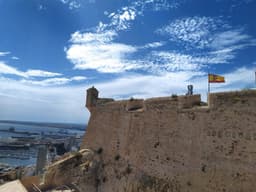 AlicanteSpain81
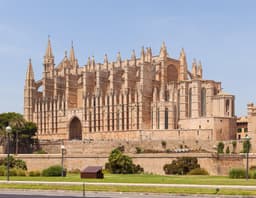 Palma de MallorcaSpain79
Both links open broad search results. No hotel is presented as an editorial pick.
Compare location and nightly price against the trip fit above.
Search Alicante stays ↗Compare location and nightly price against the trip fit above.
Search Palma de Mallorca stays ↗Alicante and Palma de Mallorca separate most clearly on budget fit. Alicante has the clearer budget fit edge, leading by 12 points. Use the sections below to decide whether that gap matters to your trip.
Alicante and Palma de Mallorca are too close for a useful blanket winner. Use trip length, walking tolerance, and the strongest personal fit as the final decision.
Alicante pairs a 81/100 Worth Score with 72/100 for budget fit; Palma de Mallorca pairs 79/100 with 60/100. The stronger return depends on which city's advantages you will actually use.
Alicante has the clearer budget fit edge, leading by 12 points. Alicante: The main budget decision in Alicante is Local menus, markets and city buses help control spending, while sea-view hotels and peak-summer dates increase costs. Compare the full stay cost with a central room; repeated rides from a remote beach hotel can erase savings. Build the visit around 3 days and compare the real cost of your chosen base with daily movement. Palma de Mallorca: Palma's budget is date-sensitive. A central hotel and good food can make a memorable short break, but summer accommodation and waterfront convenience can outweigh modest savings on local transport. Accommodation changes the equation: Alicante starts with Centro and Ensanche works best for first-time visits; Keeps the market, restaurants, marina and old town in an easy walking range.; Palma de Mallorca starts with Old Town / La Seu works best for first-time city visitors; Keeps the cathedral, lanes, restaurants and harbour walk close, with higher demand and prices..
Walkability is effectively even: Alicante scores 84, while Palma de Mallorca scores 82. Alicante is walkable where the main visitor streets cluster, but Walk the centre and use the tram for longer coastal routes. The airport bus connects with town, while taxis save effort with luggage or heat; check the current timetable for an early flight. Palma de Mallorca: Palma is best explored on foot around the old town, cathedral and harbour. A broader Mallorca itinerary is a separate transport problem, not a longer city walk.
Alicante is best matched to a relaxed spanish beach city and castle, food and waterfront walks, but is less suitable for a quiet beach in august. Palma de Mallorca is best matched to architecture and food and short mediterranean city breaks, but is less suitable for peak-season bargain trips.
Both cities work best with 3 days, but the usable itinerary differs. Alicante prioritizes taking the castle lift or hill route according to heat and mobility; Palma de Mallorca prioritizes la seu visit.
Comfort is effectively even: Alicante scores 0, while Palma de Mallorca scores 0. Alicante: A comfortable visit to Alicante comes from matching your base and daily pace to the city. The castle hill is steep and exposed, and summer beach demand affects both crowds and room prices. The city tram makes regional coast trips easy, but a day in a nearby resort should be treated as a separate outing. Palma de Mallorca: Palma is comfortable for a short visit when the base and heat plan are chosen well; central crowds and summer prices are the larger sources of friction.
Alicante: Tourist Trap Risk: Compare activity inclusions and choose established local operators; Local menus, markets and city buses help control spending, while sea-view hotels and peak-summer dates increase costs. Compare the full stay cost with a central room; repeated rides from a remote beach hotel can erase savings. Palma de Mallorca: Crowd Pressure: Central lanes and the cathedral area are busiest in summer and around cruise arrivals.
You want coastal and historic experiences anchored by Santa Bárbara Castle above Postiguet Beach.
Walk the centre and use the tram for longer coastal routes. The airport bus connects with town, while taxis save effort with luggage or heat; check the current timetable for an early flight. Build one compact cluster around Centro and Ensanche instead.
You want Gothic architecture, a harbour walk, markets and excellent meals in a compact Mediterranean city.
The old town and waterfront deserve at least one full day before heading elsewhere on the island.
Alicante has the stronger overall Worth Score. Use the score table as a shortcut, then check budget and walking friction before booking.
Alicante has the better Budget Fit score in this comparison. That does not mean every trip is cheaper, but it usually gives you more room to control hotel, food, and daily spending.
Alicante has the stronger Walkability score, meaning a normal first-time itinerary is easier to keep compact without wasting too much time in transit.
Palma de Mallorca is the cleaner weekend pick because it scores higher for short-trip fit. If you have more days, the lower weekend score may matter less.
Alicante: 3 days is a useful first target for Alicante. Alicante is a straightforward Mediterranean break with an old quarter, castle views, a city beach and a strong everyday food scene. It suits travelers who want a relaxed base and optional coastal train rides rather than a dense museum itinerary. The main planning decision is The castle hill is steep and exposed, and summer beach demand affects both crowds and room prices. The city tram makes regional coast trips easy, but a day in a nearby resort should be treated as a separate outing. Palma de Mallorca: Three days is a strong Palma plan: two for the old town, cathedral and food, then one flexible day for a nearby beach or an island route. Use the shorter option only if your arrival and departure times leave enough usable sightseeing hours.