Explore stays in Kotor
Compare location and nightly price against the trip fit above.
Search Kotor stays ↗Reviewed September 28, 2026 · WorthTheCity Editorial Team
This is a close call: Kotor better suits medieval lanes and bay scenery, while Valletta better suits history and architecture. Choose by trip style rather than treating the small score gap as a winner.
Kotor leads 1 category. Valletta leads 4 categories.
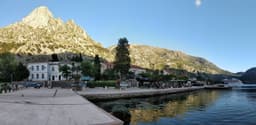 KotorMontenegro76
 VallettaMalta76
Both links open broad search results. No hotel is presented as an editorial pick.
Compare location and nightly price against the trip fit above.
Search Kotor stays ↗Compare location and nightly price against the trip fit above.
Search Valletta stays ↗Kotor and Valletta separate most clearly on weekend fit. Valletta has the clearer weekend fit edge, leading by 11 points. Use the sections below to decide whether that gap matters to your trip.
Kotor and Valletta are too close for a useful blanket winner. Use trip length, walking tolerance, and the strongest personal fit as the final decision.
Kotor pairs a 76/100 Worth Score with 62/100 for budget fit; Valletta pairs 76/100 with 62/100. The stronger return depends on which city's advantages you will actually use.
Budget Fit is effectively even: Kotor scores 62, while Valletta scores 62. Kotor: The main budget decision in Kotor is The old town is small, but summer rooms and bay excursions can be expensive relative to the visit length. Arrive by bus or cruise only after checking schedules; a central overnight costs more but avoids losing the quiet hours to a day trip. Build the visit around 2 days and compare the real cost of your chosen base with daily movement. Valletta is compact enough to keep transit spending low, but central rooms, cathedral tickets and harbour-side dining can make it a medium-to-high-cost city break. Accommodation changes the equation: Kotor starts with Old Town works best for a first overnight; Puts the lanes, restaurants and wall entrance nearby; expect steps, stone paving and some night noise.; Valletta starts with Valletta core works best for first-time history visits; Puts churches, museums and viewpoints within a short walk, with limited rooms and higher prices..
Kotor has the clearer walkability edge, leading by 6 points. Kotor is walkable where the main visitor streets cluster, but Walk within the old town and use local buses or boats for nearby bay settlements. For airport transfers, compare the full door-to-door time from Tivat or Podgorica and account for seasonal road traffic. Valletta is small enough to explore on foot but not easy underfoot. Steep streets, steps, heat and cruise crowds make it a physically demanding walk rather than a flat compact stroll.
Kotor is best matched to medieval lanes and bay scenery and a short montenegro stop, but is less suitable for visitors who avoid steps or crowds. Valletta is best matched to history and architecture and harbour and ferry routes, but is less suitable for low-walking itineraries.
Both cities work best with 2 days, but the usable itinerary differs. Kotor prioritizes walking the old town before day-trip groups arrive; Valletta prioritizes st john's co-cathedral.
Comfort is effectively even: Kotor scores 0, while Valletta scores 0. Kotor: A comfortable visit to Kotor comes from matching your base and daily pace to the city. Cruise calls can make the narrow old-town lanes feel crowded, and the fortress climb is steep, hot and exposed. The bay's other villages are not an easy walking extension, so choose between a boat, local bus or private transfer rather than trying to see everything. Valletta is straightforward to orient in, but heat, stairs and busy arrival windows make a measured plan more comfortable.
Kotor: Tourist Trap Risk: Compare activity inclusions and choose established local operators; The old town is small, but summer rooms and bay excursions can be expensive relative to the visit length. Arrive by bus or cruise only after checking schedules; a central overnight costs more but avoids losing the quiet hours to a day trip. Valletta: Crowd Pressure: Cruise visitors and summer peak hours fill the main streets and cathedral area.
You want historic and scenic experiences anchored by Kotor's old town walls above the Bay of Kotor.
Walk within the old town and use local buses or boats for nearby bay settlements. For airport transfers, compare the full door-to-door time from Tivat or Podgorica and account for seasonal road traffic. Build one compact cluster around Old Town instead.
You want history, architecture and harbour views in a compact Mediterranean capital.
Valletta's steep streets and stairs make a compact route more tiring than it looks.
They are close enough that your travel style should decide. Use the score table as a shortcut, then check budget and walking friction before booking.
Kotor and Valletta are tied on Budget Fit, so dates, hotel location, and flight pricing will probably decide the real-world cost.
Kotor has the stronger Walkability score, meaning a normal first-time itinerary is easier to keep compact without wasting too much time in transit.
Valletta is the cleaner weekend pick because it scores higher for short-trip fit. If you have more days, the lower weekend score may matter less.
Kotor: 2 days is a useful first target for Kotor. Kotor is worth visiting for a compact medieval core set against an unusually dramatic bay. One full day is enough for the old town, but an overnight gives the waterfront a calmer morning and makes a climb or boat trip easier to fit. The main planning decision is Cruise calls can make the narrow old-town lanes feel crowded, and the fortress climb is steep, hot and exposed. The bay's other villages are not an easy walking extension, so choose between a boat, local bus or private transfer rather than trying to see everything. Valletta: Two days is ideal for Valletta: one for the major historic core and a second for a slower harbour crossing, museum or Three Cities outing. Use the shorter option only if your arrival and departure times leave enough usable sightseeing hours.