Explore stays in Fukuoka
Compare location and nightly price against the trip fit above.
Search Fukuoka stays ↗Reviewed September 28, 2026 · WorthTheCity Editorial Team
Fukuoka has the broader all-round fit, but Okinawa City remains the better choice when okinawan music and local food is the point of the trip.
Fukuoka leads 7 categories. Okinawa City leads 0 categories.
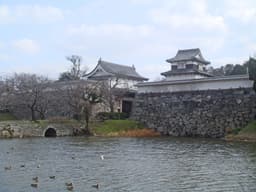 FukuokaJapan85
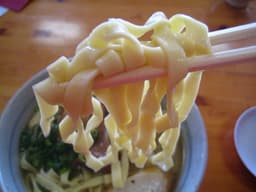 Okinawa CityJapan74
Both links open broad search results. No hotel is presented as an editorial pick.
Compare location and nightly price against the trip fit above.
Search Fukuoka stays ↗Compare location and nightly price against the trip fit above.
Search Okinawa City stays ↗Fukuoka and Okinawa City separate most clearly on walkability. Fukuoka has the clearer walkability edge, leading by 28 points. Use the sections below to decide whether that gap matters to your trip.
Fukuoka leads across more decision categories. Choose Okinawa City instead when its trip style and strongest experiences matter more than the overall gap.
Fukuoka pairs a 85/100 Worth Score with 78/100 for budget fit; Okinawa City pairs 74/100 with 70/100. The stronger return depends on which city's advantages you will actually use.
Fukuoka has the clearer budget fit edge, leading by 8 points. Fukuoka is easier to budget than many larger Japanese city breaks, especially for food and transit. Central hotels still rise on weekends and during festivals, so compare the complete stay before choosing dates. Okinawa City: The main budget decision in Okinawa City is Local restaurants can be good value, but rental cars, parking and fuel are major costs for exploring the island. Compare a car for the full stay with a focused Koza visit and selected taxi or bus trips; hotel prices vary with school holidays. Build the visit around 3 days and compare the real cost of your chosen base with daily movement. Accommodation changes the equation: Fukuoka starts with Hakata works best for airport and rail connections; Best for fast arrivals, shinkansen transfers and onward journeys across Kyushu.; Okinawa City starts with Koza Gate Street works best for music and nightlife; Puts live venues and the city's postwar district close, with late-night transport to arrange..
Fukuoka has the clearer walkability edge, leading by 28 points. Fukuoka is one of the easier Japanese cities for a short walking trip. Hakata, Tenjin, the river and Ohori Park work as separate but simple clusters, with subway links between them. Okinawa City is walkable where the main visitor streets cluster, but Local buses serve some routes, while a rental car is the most flexible option for island-wide sightseeing. Check international driving-permit rules, pickup hours and parking before booking; do not assume the monorail reaches the city.
Fukuoka is best matched to food-focused japan trips and short and easy city breaks, but is less suitable for major-landmark checklists. Okinawa City is best matched to okinawan music and local food and travelers with a rental car, but is less suitable for a resort beach holiday without a car.
Both cities work best with 3 days, but the usable itinerary differs. Fukuoka prioritizes a subway fare choice; Okinawa City prioritizes seeing a live music venue in koza and planning a safe ride home.
Comfort is effectively even: Fukuoka scores 0, while Okinawa City scores 0. Fukuoka is a low-friction arrival city, though popular evening food areas require patience and a flexible meal plan. Okinawa City: A comfortable visit to Okinawa City comes from matching your base and daily pace to the city. Okinawa City is inland and not the island's main beach base; car travel is far more practical than trying to link the whole island by bus. Naha airport is a substantial transfer away, so build arrival time and rental pickup into the trip.
Fukuoka: Crowd Pressure: Tenjin, Hakata and popular evening stalls get busy around events and weekends. Okinawa City: Tourist Trap Risk: Compare activity inclusions and choose established local operators; Local restaurants can be good value, but rental cars, parking and fuel are major costs for exploring the island. Compare a car for the full stay with a focused Koza visit and selected taxi or bus trips; hotel prices vary with school holidays.
You want a first or final Japan stop with low airport-to-city friction.
Fukuoka works through food, neighbourhoods and ease rather than a nonstop landmark list.
You want music and island culture experiences anchored by Koza Gate Street and Okinawa City Music Town.
Local buses serve some routes, while a rental car is the most flexible option for island-wide sightseeing. Check international driving-permit rules, pickup hours and parking before booking; do not assume the monorail reaches the city. Build one compact cluster around Koza Gate Street instead.
Fukuoka has the stronger overall Worth Score. Use the score table as a shortcut, then check budget and walking friction before booking.
Fukuoka has the better Budget Fit score in this comparison. That does not mean every trip is cheaper, but it usually gives you more room to control hotel, food, and daily spending.
Fukuoka has the stronger Walkability score, meaning a normal first-time itinerary is easier to keep compact without wasting too much time in transit.
Fukuoka is the cleaner weekend pick because it scores higher for short-trip fit. If you have more days, the lower weekend score may matter less.
Fukuoka: Two days is enough for a first taste of Fukuoka; three makes room for parks, a deeper food itinerary and a slower neighbourhood day. Okinawa City: 3 days is a useful first target for Okinawa City. Okinawa City, also known as Koza, offers a different island experience from Naha: live music, postwar history, local food and a useful base for central Okinawa. It suits travelers who want neighbourhood life and can plan island transport. The main planning decision is Okinawa City is inland and not the island's main beach base; car travel is far more practical than trying to link the whole island by bus. Naha airport is a substantial transfer away, so build arrival time and rental pickup into the trip. Use the shorter option only if your arrival and departure times leave enough usable sightseeing hours.