Quick Decision
If you only read one part of this page, make it this: Guangzhou is strongest when its trip fit matches the way you actually travel, not just when the overall score looks high.
Choose Guangzhou if
- Cantonese food and regional culture matter more to you than a compact monument circuit.
- You enjoy cities where old streets, markets and a contemporary skyline share the itinerary.
- You can give the city at least three days and organize sights by district.
- You are comfortable setting up maps, payments and transit information before landing.
Skip Guangzhou if
- You have only one overnight and need a low-effort first city in China.
- You want most major sights within a short walking radius.
- You are not interested in food or urban culture and expect the tower to carry the trip.
- You do not want to prepare for language, internet or payment differences.
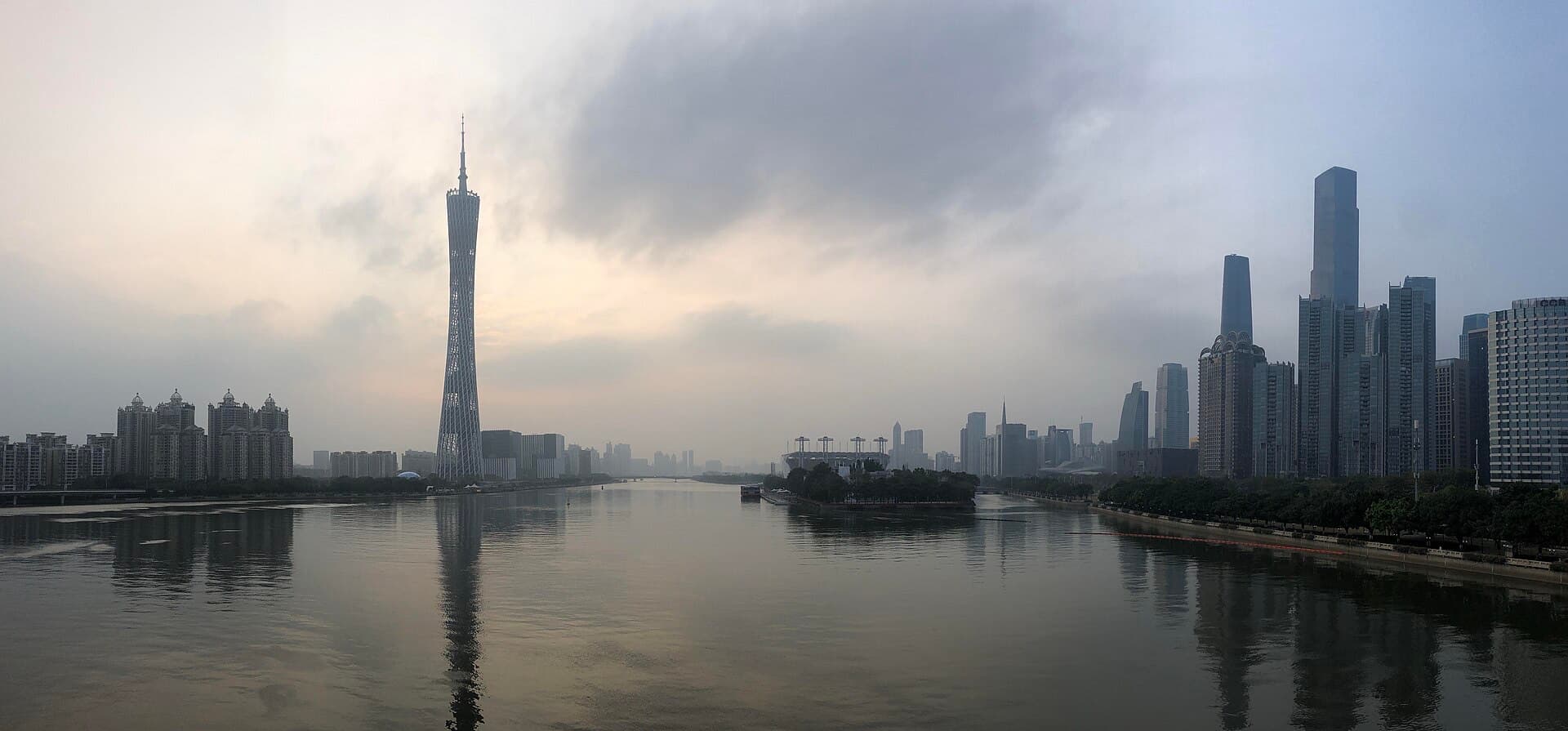
Guangzhou is worth visiting for travelers who want Cantonese food, old trading-city texture and an enormous modern riverfront in one trip. A three-day plan gives the city's food culture more room than a quick tower stop.
The city is less instantly legible than a compact historic destination. Its best experiences are spread between old neighbourhoods, markets, museums and the Pearl River's newer skyline, so district choices matter more than a long attraction list.
The value case can be strong once you are settled, but distance and practical setup have a cost: choose a hotel near the districts you care about and prepare for local payment, map and language differences before arrival.
Trip Fit Scores
The main Worth Score tells you whether Guangzhou is broadly worth considering. Trip Fit scores are more useful when you know the kind of trip you are planning.
First-Time Fit
How readable and rewarding Guangzhou feels for a first visit.
Weekend Fit
How much of Guangzhou's payoff fits into a focused one-to-three-day trip.
Couple Fit
How well Guangzhou supports atmosphere, shared pacing, food, and memorable time together.
Solo Fit
How confidently an independent traveler can move through and enjoy Guangzhou.
Budget Fit
How easily a traveler can control lodging, food, transport, and attraction costs in Guangzhou.
Walkability Fit
Neighbourhoods reward walking, but long cross-city distances call for metro rides.
Culture Fit
Temples, markets, museums and older districts give the city more depth than its skyline suggests.
Family Fit
How comfortably Guangzhou supports mixed interests, practical movement, and group planning.
Risk Signals
Risk signals are not scores to optimize. They show where a Guangzhou trip can feel more expensive, crowded, tiring, or overhyped than expected.
Tourist Trap RiskiTourist Trap Risk: Based on central-area price friction, low-value attraction pressure, and how often Guangzhou rewards stepping beyond the obvious visitor circuit. The riverfront tower district is convenient but does not represent the whole city's food and heritage.
The riverfront tower district is convenient but does not represent the whole city's food and heritage.
Crowd PressureiCrowd Pressure: Flags when famous sights, queue density, narrow streets, or peak-season movement make Guangzhou feel more tiring than the itinerary suggests. Popular restaurants, shopping streets and major holidays create queues and dense transit.
Popular restaurants, shopping streets and major holidays create queues and dense transit.
Overrated RiskiOverrated Risk: Measures the gap between online hype and practical trip payoff for your time, budget, and first-visit expectations. Guangzhou feels underwhelming when visitors see only the skyline and skip its food and older districts.
Guangzhou feels underwhelming when visitors see only the skyline and skip its food and older districts.
Walking DifficultyiWalking Difficulty: Based on cobblestones, hill gradients, heat exposure, distance between useful areas, and pedestrian infrastructure reviewed for September 2026. Heat, scale and wide roads make several daily district crossings tiring on foot.
Heat, scale and wide roads make several daily district crossings tiring on foot.
Peak Season FrictioniPeak Season Friction: Looks at hotel demand, weather stress, crowd spikes, reservation pressure, and whether timing changes the core Guangzhou experience. Trade fairs and holiday demand affect room prices and availability; verify dates early.
Trade fairs and holiday demand affect room prices and availability; verify dates early.
Score Breakdown
Worth Score = Value Fit * 0.35 + Friction/Crowd * 0.25 + Culture * 0.25 + Transit/Walking * 0.15. Scores compare cities consistently, but they do not pretend travel taste is perfectly objective.
How we calculate this scoreWeighted visitor-trip decision score; Food depth, markets, Cantonese heritage and the Pearl River skyline give the trip a distinctive identity.
A clear district plan turns a large city into a manageable first visit.
Two days cover a sample, but three let food and neighbourhood time breathe.
Riverfront evenings and long shared meals are stronger than rushing between towers.
Transit and food variety work well for independent travelers who prepare digital tools.
Meals and urban transit can be controlled; district choice, hotel level and trade-fair dates drive the larger costs.
Attraction clusters are walkable internally, but the city scale makes a walking-only itinerary unrealistic.
Food depth, markets, Cantonese heritage and the Pearl River skyline give the trip a distinctive identity.
Guangzhou can offer good value in meals and transit, but hotel dates and location matter. Trade events can make accommodation the dominant expense, while a distant base adds time and ride costs.
Guangzhou is walkable by neighbourhood rather than as a whole. The Pearl River, old-city streets and cultural stops each reward a focused stroll, but large inter-district gaps make transit part of the trip.
Guangzhou is comfortable for visitors who prepare a few practical tools, but less frictionless than its metro network alone suggests.
Set up offline maps and a payment method that works for your trip before arrival.
Frequent metro coverage helps, while payment setup and language friction require preparation.
Best For / Not Ideal For
Best for
- Cantonese food travelers
- Urban culture and market visits
- Repeat China visitors
- Longer Pearl River Delta itineraries
Not ideal for
- One-night sightseeing stops
- Walking-only travelers
- Visitors wanting a small historic centre
- Unprepared first arrivals
How Many Days Do You Need in Guangzhou?
Three days lets Guangzhou feel like a food-and-neighbourhood destination rather than a checklist. Use the metro for district changes and leave meals unhurried.
1 day
Choose one old-city area, one meal and the riverfront; avoid trying to cross Guangzhou several times.
2 days
Add a second district and a museum or market, grouping each day around one metro corridor.
3 days
The best first visit: balance Cantonese food, older neighbourhoods, a cultural stop and the modern riverfront.
4+ days
Use extra time for a slower food itinerary or a Pearl River Delta excursion rather than repeating cross-city trips.
Guangzhou Budget: What to Expect
Guangzhou can offer good value in meals and transit, but hotel dates and location matter. Trade events can make accommodation the dominant expense, while a distant base adds time and ride costs.
- Check the Canton Fair and other large event dates before choosing a hotel or estimating the trip total.
- Metro fares are distance-based; use a day pass only after counting likely rides rather than assuming it saves money.
- Prioritize food spending on meals you care about; long taxi rides between far-apart plans can consume the saving.
- Choose a hotel beside a useful metro connection, not simply the lowest nightly rate outside the districts you plan to visit.
Local meals can be good value, but use a central transit-connected base to control transfer time.
A mid-range hotel and a mix of markets and sit-down meals create a balanced visit.
Event-week hotels and private transfers can make an otherwise manageable budget rise quickly.
Is Guangzhou Walkable?
Guangzhou is walkable by neighbourhood rather than as a whole. The Pearl River, old-city streets and cultural stops each reward a focused stroll, but large inter-district gaps make transit part of the trip.
- Choose a daily cluster before setting out; do not plan a walk across the city from a map view.
- Use metro lines for district changes and walk the final streets around markets, temples and riverfront areas.
- Heat and rain can make short-looking outdoor connections feel longer than expected.
- Keep enough time between a meal reservation and the next cross-city transfer.
Safety & Comfort
Guangzhou is comfortable for visitors who prepare a few practical tools, but less frictionless than its metro network alone suggests.
- Set up offline maps and a payment method that works for your trip before arrival.
- Use the exact Chinese name or saved map pin for hotels and destinations when language becomes a barrier.
- Plan a lighter afternoon around heat, rain and the time needed to cross districts.
Where to Stay in Guangzhou
Stay near the areas you want to explore most; in a city this large, a good metro base is more useful than a hotel marketed as central.
Tianhe / Zhujiang New Town
Convenient for the riverfront, malls and newer city attractions, with a polished business-district feel.
3 options to compare
Tianhe / Zhujiang New Town first-time shortlist
Tianhe / Zhujiang New Town flexible hotel deals
Tianhe / Zhujiang New Town top-rated stays
What to Book Before You Go
Prioritize the logistics that remove distance and language friction; most city days work better when food and transport are planned together.
Book the boring stuff before it becomes expensive.
Guangzhou works better when you buy a 72-hour transit pass and stop feeding parking meters.
Check transit and walking notesA Cantonese food shortlist can sell out or turn into a queue with a view of other people's backpacks.
Explore tours in Guangzhou ↗Worth it for late arrivals, families, heavy bags, or anyone landing tired enough to make bad taxi choices.
Check arrival comfort notesBook early
Tianhe / Zhujiang New Town is the easiest first base.
Pick the area before chasing the cheapest room. Location changes walking time, arrival friction, and evening comfort.
Compare stay areas ↗Plan one high-friction anchor.
Save a few restaurant names and addresses in the local script so your best meal does not depend on chance.
Explore tours in Guangzhou ↗Optional
Useful when arrival friction is high.
Late arrivals, heavy bags, and family trips can make a transfer worth considering.
Check comfort notesOnly useful for attraction-heavy trips.
Do the math before buying; many city trips are better with selective tickets.
Review trip fitUseful for smoother first hours.
Worth considering if you rely on maps, transit, restaurant saves, or late-arrival coordination.
Check arrival frictionUsually not needed
Do not rent a car for Guangzhou itself.
A car usually adds friction inside the city.
See walkability notesBooking checks for Guangzhou
Prioritize the bookings that reduce real trip friction: the right base, one useful activity, and backup for higher-risk logistics.
Book the high-friction anchor, skip the filler.
Guangzhou has enough trip payoff to justify one planned activity when it protects time, queues, or route quality.
Insurance is worth checking before a higher-friction trip.
Guangzhou has enough comfort, transport, or peak-season friction that medical coverage and trip disruption backup deserve a quick pre-trip check.
Choose the stay area before choosing the room.
Check hotel availability around Tianhe / Zhujiang New Townso room savings do not become daily transfer friction.
Common Guangzhou Mistakes
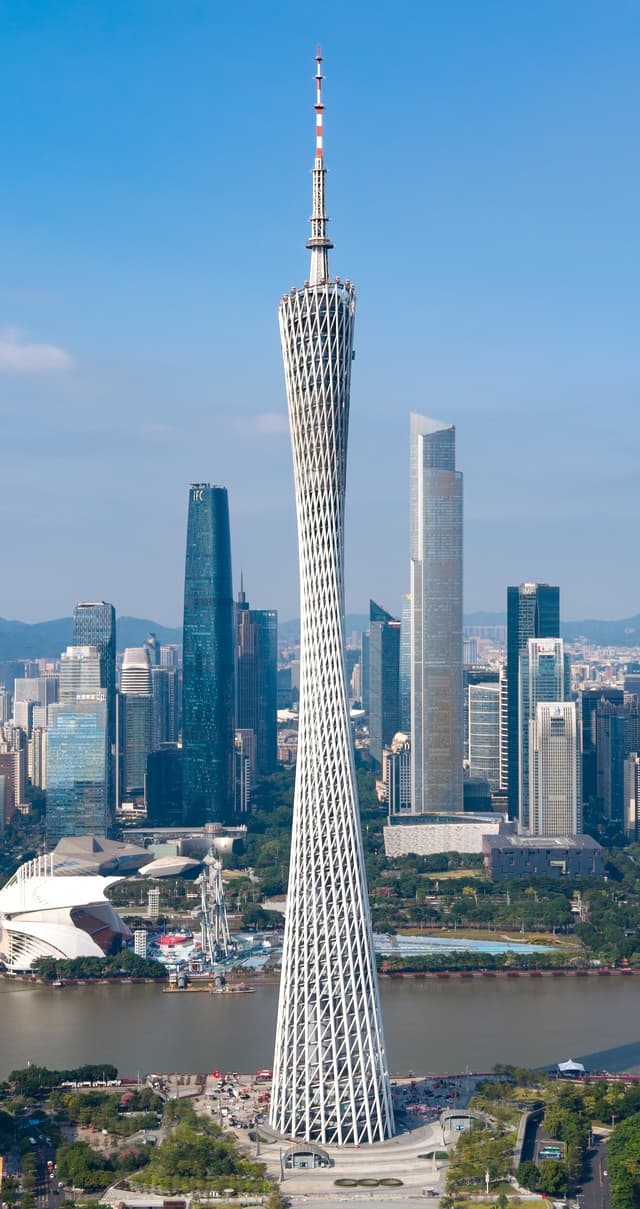
Building the trip around Canton Tower alone
The skyline is memorable, but Guangzhou's food and older neighbourhoods make the visit distinctive.
Crossing the city for every meal
Choose one good meal near the day's sightseeing cluster and spend the saved time at the table.
Assuming every international app will work as usual
Prepare maps, payment options and destination names before arrival.
Booking a cheap room far from the plan
Daily transfer time can cost more in energy than a modestly better-located room costs in money.
Compare Guangzhou with similar cities
Guangzhou is strong, but not always the best choice.
The point of WorthTheCity is not to crown one universal winner. Compare Guangzhou with nearby or similar cities if you are deciding between value, ease, culture, trip length, and travel style.
Where Guangzhou ranks highly
Only lists where Guangzhou appears in the published top ten are shown.
Guangzhou FAQ
Is Guangzhou worth visiting for tourists?
Yes, for Cantonese food, markets, older neighbourhoods and a major riverfront skyline. It is strongest when visitors give it at least three days and plan by district.
How many days do you need in Guangzhou?
Three days is a good first visit. Two days work for a focused stop, while extra days are useful for a regional excursion.
Is Guangzhou expensive?
Food and public transport can be flexible, but hotel prices rise around large events. Check your dates and hotel location before setting a budget.
Can you explore Guangzhou on foot?
You can walk each neighbourhood, but not the city as a whole. Use metro for long hops and walk a focused cluster at a time.
What is the main transport trade-off?
The metro helps keep cross-city travel affordable; a taxi saves effort when stations do not match your route, but distance and traffic can make it costly.
Support WorthTheCity
WorthTheCity is free to use and supported by affiliate links and optional reader support. Scores stay editorial and are not determined by affiliate partnerships.
Support the projectSome booking links may earn WorthTheCity a commission at no extra cost to you. Affiliate links do not determine city scores.