Explore stays in Shenzhen
Compare location and nightly price against the trip fit above.
Search Shenzhen stays ↗Reviewed September 27, 2026 · WorthTheCity Editorial Team
Singapore has the broader all-round fit, but Shenzhen remains the better choice when modern architecture and design is the point of the trip.
Shenzhen leads 1 category. Singapore leads 6 categories.
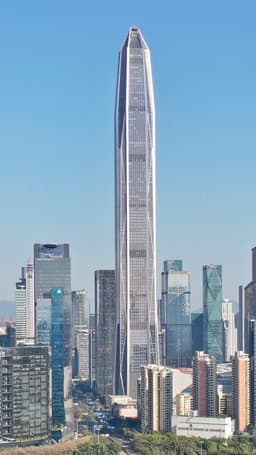 ShenzhenChina74
Both links open broad search results. No hotel is presented as an editorial pick.
Compare location and nightly price against the trip fit above.
Search Shenzhen stays ↗Compare location and nightly price against the trip fit above.
Search Singapore stays ↗Shenzhen and Singapore separate most clearly on walkability. Singapore has the clearer walkability edge, leading by 20 points. Use the sections below to decide whether that gap matters to your trip.
Singapore leads across more decision categories. Choose Shenzhen instead when its trip style and strongest experiences matter more than the overall gap.
Shenzhen pairs a 74/100 Worth Score with 72/100 for budget fit; Singapore pairs 80/100 with 61/100. The stronger return depends on which city's advantages you will actually use.
Shenzhen has the clearer budget fit edge, leading by 11 points. Shenzhen offers plenty of ways to control daily spending, but its footprint creates hidden time and transport costs. A well-connected base usually matters more than shaving a little off the room rate. Singapore suits a mid-range trip best: thoughtful hotel and meal choices protect value without turning the visit into a compromise. Accommodation changes the equation: Shenzhen starts with Futian works best for first-time city and skyline visits; A useful base for the CBD, Civic Center, parks and major metro connections.; Singapore starts with Central base works best for first-time convenience; The easiest choice for a short Singapore trip because it reduces transfer friction..
Singapore has the clearer walkability edge, leading by 20 points. Shenzhen is walkable inside parks, malls and selected neighbourhoods, but its sheer size makes public transport essential for a visitor itinerary. Singapore works through a mix of neighborhood walks and selective transport rather than one continuous route across the city.
Shenzhen is best matched to modern architecture and design and technology and business, but is less suitable for historic-city checklists. Singapore is best matched to stopovers and food-focused trips, but is less suitable for travelers who need consistently low hotel and meal costs.
Shenzhen is strongest with 3 days; Singapore needs 2-3 days. Compare usable sightseeing time and arrival-day friction rather than hotel nights alone.
Comfort is effectively even: Shenzhen scores 0, while Singapore scores 0. Shenzhen can feel orderly and easy once routes are set; first-day friction mostly comes from app setup and the gap between map distance and door-to-door time. Singapore is manageable for most visitors, though a good base and an unhurried plan make the experience noticeably smoother.
Shenzhen: Crowd Pressure: Large stations, malls and event districts can be packed at commute and holiday peaks. Singapore: Tourist Trap Risk: Singapore needs selective choices around the most obvious visitor areas.
You want to understand a modern Chinese city through design, technology, parks and daily life.
The skyline districts, coast and parks are separated; one cluster per day gives a better trip.
Singapore works best as a 2-3-day trip when its core appeal—easy, clean, food-rich, expensive, and great for stopovers—matches your priorities. The strongest days are built around a few well-chosen areas.
Singapore gets better when the plan has priorities.
Singapore has the stronger overall Worth Score. Use the score table as a shortcut, then check budget and walking friction before booking.
Shenzhen has the better Budget Fit score in this comparison. That does not mean every trip is cheaper, but it usually gives you more room to control hotel, food, and daily spending.
Singapore has the stronger Walkability score, meaning a normal first-time itinerary is easier to keep compact without wasting too much time in transit.
Singapore is the cleaner weekend pick because it scores higher for short-trip fit. If you have more days, the lower weekend score may matter less.
Shenzhen: Three days makes Shenzhen easier to read: one for Futian and the central skyline, one for a different urban district, and one for a park or coast if that is your priority. Singapore: 2-3 days is the best first-trip length for Singapore. A faster version can work, but it forces sharper choices. Use the shorter option only if your arrival and departure times leave enough usable sightseeing hours.