Explore stays in Houston
Compare location and nightly price against the trip fit above.
Search Houston stays ↗Reviewed September 28, 2026 · WorthTheCity Editorial Team
Philadelphia has the broader all-round fit, but Houston remains the better choice when food-focused is the point of the trip.
Houston leads 0 categories. Philadelphia leads 7 categories.
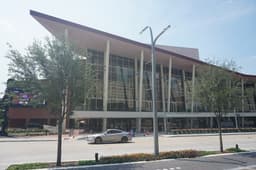 HoustonUnited States71
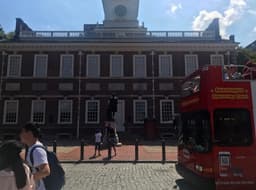 PhiladelphiaUnited States82
Both links open broad search results. No hotel is presented as an editorial pick.
Compare location and nightly price against the trip fit above.
Search Houston stays ↗Compare location and nightly price against the trip fit above.
Search Philadelphia stays ↗Houston and Philadelphia separate most clearly on walkability. Philadelphia has the clearer walkability edge, leading by 46 points. Use the sections below to decide whether that gap matters to your trip.
Philadelphia leads across more decision categories. Choose Houston instead when its trip style and strongest experiences matter more than the overall gap.
Houston pairs a 71/100 Worth Score with 60/100 for budget fit; Philadelphia pairs 82/100 with 64/100. The stronger return depends on which city's advantages you will actually use.
Philadelphia has the clearer budget fit edge, leading by 4 points. Houston: The main budget decision in Houston is Hotel location, car rental and restaurant choices drive the budget more than admission to many museums. Compare a central base near the METRORail with a cheaper hotel plus daily rides and parking. Build the visit around 4 days and compare the real cost of your chosen base with daily movement. Philadelphia: The main budget decision in Philadelphia is Museum access and food range from low-cost to premium, while central hotels and major convention dates are the largest variables. Compare a Center City room with a transit-connected stay rather than saving on a location that adds repeated fares. Build the visit around 3 days and compare the real cost of your chosen base with daily movement. Accommodation changes the equation: Houston starts with Downtown works best for transit and event access; Connects to rail, sports venues and central hotels but is quieter after business hours.; Philadelphia starts with Old City works best for first-time history visits; Keeps Independence sites, galleries and restaurants within walking distance..
Philadelphia has the clearer walkability edge, leading by 46 points. Houston is walkable where the main visitor streets cluster, but Use METRORail for the museum district and central corridor; use rideshare or a car for NASA and farther neighbourhoods. Check the current operating hours and visitor access for Space Center Houston before travelling. Philadelphia is walkable where the main visitor streets cluster, but Use SEPTA regional rail from the airport and subway or buses for longer city trips. Walk Old City and Center City as separate clusters; check current service status and fares before relying on a late connection.
Houston is best matched to food-focused and space and science museums, but is less suitable for walk-only city breaks. Philadelphia is best matched to us history and art museums and a walkable east coast weekend, but is less suitable for a quiet resort stay.
Houston is strongest with 4 days; Philadelphia needs 3 days. Compare usable sightseeing time and arrival-day friction rather than hotel nights alone.
Comfort is effectively even: Houston scores 0, while Philadelphia scores 0. Houston: A comfortable visit to Houston comes from matching your base and daily pace to the city. Heat, humidity, urban scale and limited rail coverage make walking between major sights unrealistic. A rental car gives flexibility but parking and traffic are real costs; rideshare or METRORail works for selected corridors. Philadelphia: A comfortable visit to Philadelphia comes from matching your base and daily pace to the city. The central grid is walkable, but summer heat, station-area choices and distance to some neighborhoods affect comfort. SEPTA and walking cover many trips; rideshare helps with luggage, late nights or destinations outside rail corridors.
Houston: Tourist Trap Risk: Compare activity inclusions and choose established local operators; Hotel location, car rental and restaurant choices drive the budget more than admission to many museums. Compare a central base near the METRORail with a cheaper hotel plus daily rides and parking. Philadelphia: Tourist Trap Risk: Compare activity inclusions and choose established local operators; Museum access and food range from low-cost to premium, while central hotels and major convention dates are the largest variables. Compare a Center City room with a transit-connected stay rather than saving on a location that adds repeated fares.
You want food and museums experiences anchored by Houston Museum District and Space Center Houston.
Use METRORail for the museum district and central corridor; use rideshare or a car for NASA and farther neighbourhoods. Check the current operating hours and visitor access for Space Center Houston before travelling. Build one compact cluster around Downtown instead.
You want historic and culinary experiences anchored by Independence Hall and the Philadelphia Museum of Art.
Use SEPTA regional rail from the airport and subway or buses for longer city trips. Walk Old City and Center City as separate clusters; check current service status and fares before relying on a late connection. Build one compact cluster around Old City instead.
Philadelphia has the stronger overall Worth Score. Use the score table as a shortcut, then check budget and walking friction before booking.
Philadelphia has the better Budget Fit score in this comparison. That does not mean every trip is cheaper, but it usually gives you more room to control hotel, food, and daily spending.
Philadelphia has the stronger Walkability score, meaning a normal first-time itinerary is easier to keep compact without wasting too much time in transit.
Philadelphia is the cleaner weekend pick because it scores higher for short-trip fit. If you have more days, the lower weekend score may matter less.
Houston: 4 days is a useful first target for Houston. Houston is worth a visit for its exceptional food range, major museum district and NASA history, but it is not a compact sightseeing city. Four days work when each is built around one district and visitors accept that transportation is part of the experience. The main planning decision is Heat, humidity, urban scale and limited rail coverage make walking between major sights unrealistic. A rental car gives flexibility but parking and traffic are real costs; rideshare or METRORail works for selected corridors. Philadelphia: 3 days is a useful first target for Philadelphia. Philadelphia is an excellent US city break for Revolutionary-era sites, major art collections and a neighbourhood food culture that goes well beyond cheesesteaks. Three days make room for both Old City and the museums along the Benjamin Franklin Parkway. The main planning decision is The central grid is walkable, but summer heat, station-area choices and distance to some neighborhoods affect comfort. SEPTA and walking cover many trips; rideshare helps with luggage, late nights or destinations outside rail corridors. Use the shorter option only if your arrival and departure times leave enough usable sightseeing hours.