Quick Decision
If you only read one part of this page, make it this: Kathmandu is strongest when its trip fit matches the way you actually travel, not just when the overall score looks high.
Choose Kathmandu if
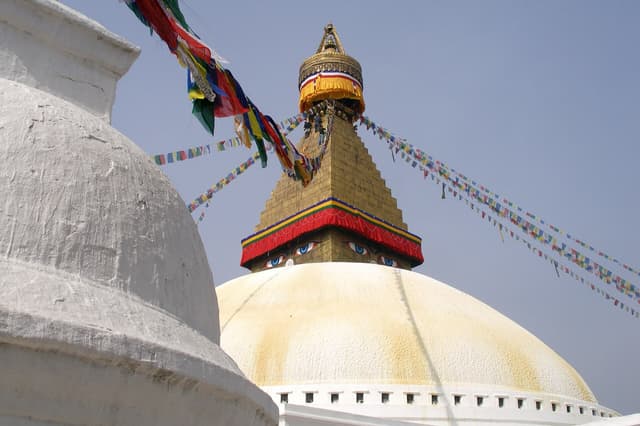
- You want historic and spiritual experiences anchored by Boudhanath Stupa and Kathmandu Durbar Square.
- You can give the destination 4 days and group plans around Thamel and Lazimpat.
- You are comfortable with this trip's practical trade-off: Traffic, air quality, uneven streets and construction make short distances feel slow. A driver or taxi helps connect the valley's separate heritage sites, but choose a clear pickup point and allow generous time.
Skip Kathmandu if
- Your priority is visitors expecting clean air and fast taxis rather than the experiences described here.
- You need every major sight and meal to be within a short, flat walk; Walk local areas, use taxis or a hired driver for valley-wide sightseeing, and do not rely on city distances as walking time. Confirm airport pickup and current entry rules for heritage sites before arrival.
- Your dates are fixed during a peak or weather-sensitive period and the hotel or transport budget no longer works: Autumn and spring often bring better visibility, while monsoon rain and winter haze can alter plans. Check air quality, weather and current trekking or flight conditions separately from city sightseeing.
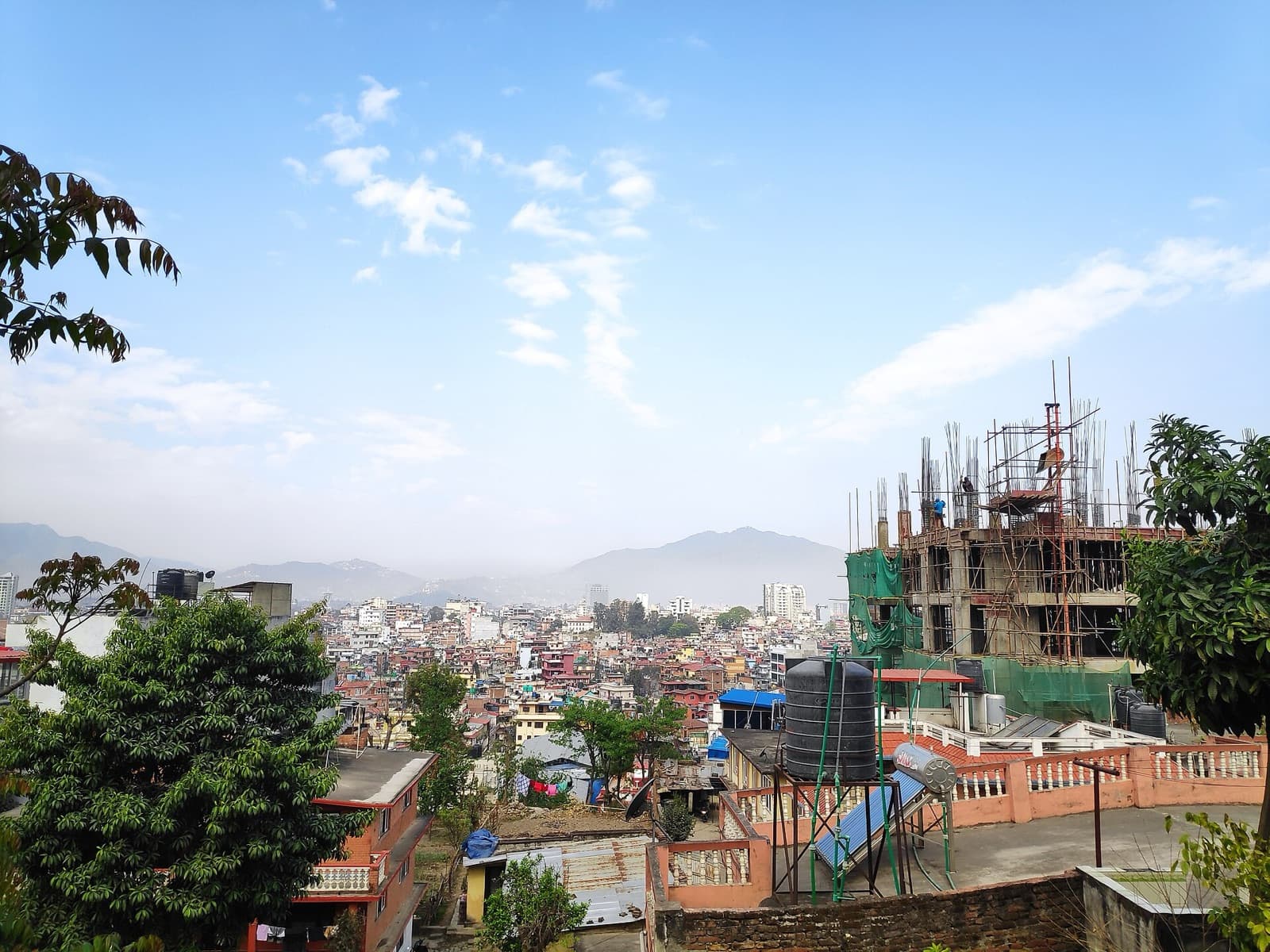
Kathmandu is a layered valley city where Buddhist stupas, Hindu temples, craft neighbourhoods and everyday street life reward patient exploration. A thoughtful visit gives the old squares and major stupas more than a quick photo stop and leaves time to recover from traffic and dust.
For a first visit, allow 4 days and use Thamel as a practical anchor. Visiting Boudhanath respectfully and staying for the evening circumambulation Seeing a Durbar Square with an official guide or current heritage ticket. Boudhanath Stupa and Kathmandu Durbar Square gives the itinerary a clear centre, while keeping a recovery period after arrival before planning a long excursion.
The honest limitation is Traffic, air quality, uneven streets and construction make short distances feel slow. A driver or taxi helps connect the valley's separate heritage sites, but choose a clear pickup point and allow generous time. A good plan leaves room for meals, weather and the time needed to get back to the hotel. Guesthouses and local meals are available at many price levels; guides, private cars and comfortable air-filtered rooms increase the total. Compare a multi-stop driver day with separate taxis, and reserve funds for entry fees at heritage sites. Walk local areas, use taxis or a hired driver for valley-wide sightseeing, and do not rely on city distances as walking time. Confirm airport pickup and current entry rules for heritage sites before arrival.
Trip Fit Scores
The main Worth Score tells you whether Kathmandu is broadly worth considering. Trip Fit scores are more useful when you know the kind of trip you are planning.
First-Time Fit
How readable and rewarding Kathmandu feels for a first visit.
Weekend Fit
How much of Kathmandu's payoff fits into a focused one-to-three-day trip.
Couple Fit
How well Kathmandu supports atmosphere, shared pacing, food, and memorable time together.
Solo Fit
How confidently an independent traveler can move through and enjoy Kathmandu.
Budget Fit
How easily a traveler can control lodging, food, transport, and attraction costs in Kathmandu.
Walkability
How much of a useful first-time Kathmandu itinerary works on foot without excessive friction.
Culture Fit
Kathmandu is a layered valley city where Buddhist stupas, Hindu temples, craft neighbourhoods and everyday street life reward patient exploration. A thoughtful visit gives the old squares and major stupas more than a quick photo stop and leaves time to recover from traffic and dust.
Family Fit
How comfortably Kathmandu supports mixed interests, practical movement, and group planning.
Risk Signals
Risk signals are not scores to optimize. They show where a Kathmandu trip can feel more expensive, crowded, tiring, or overhyped than expected.
Tourist Trap RiskiTourist Trap Risk: Based on central-area price friction, low-value attraction pressure, and how often Kathmandu rewards stepping beyond the obvious visitor circuit. Compare activity inclusions and choose established local operators; Guesthouses and local meals are available at many price levels; guides, private cars and comfortable air-filtered rooms increase the total. Compare a multi-stop driver day with separate taxis, and reserve funds for entry fees at heritage sites.
Compare activity inclusions and choose established local operators; Guesthouses and local meals are available at many price levels; guides, private cars and comfortable air-filtered rooms increase the total. Compare a multi-stop driver day with separate taxis, and reserve funds for entry fees at heritage sites.
Crowd PressureiCrowd Pressure: Flags when famous sights, queue density, narrow streets, or peak-season movement make Kathmandu feel more tiring than the itinerary suggests. Visitor pressure is most noticeable around Boudhanath Stupa and Kathmandu Durbar Square; Autumn and spring often bring better visibility, while monsoon rain and winter haze can alter plans. Check air quality, weather and current trekking or flight conditions separately from city sightseeing.
Visitor pressure is most noticeable around Boudhanath Stupa and Kathmandu Durbar Square; Autumn and spring often bring better visibility, while monsoon rain and winter haze can alter plans. Check air quality, weather and current trekking or flight conditions separately from city sightseeing.
Overrated RiskiOverrated Risk: Measures the gap between online hype and practical trip payoff for your time, budget, and first-visit expectations. Kathmandu disappoints when visitors expect more than historic and spiritual experiences and ignore the practical trade-offs.
Kathmandu disappoints when visitors expect more than historic and spiritual experiences and ignore the practical trade-offs.
Walking DifficultyiWalking Difficulty: Based on cobblestones, hill gradients, heat exposure, distance between useful areas, and pedestrian infrastructure reviewed for September 2026. Walk local areas, use taxis or a hired driver for valley-wide sightseeing, and do not rely on city distances as walking time. Confirm airport pickup and current entry rules for heritage sites before arrival.
Walk local areas, use taxis or a hired driver for valley-wide sightseeing, and do not rely on city distances as walking time. Confirm airport pickup and current entry rules for heritage sites before arrival.
Peak Season FrictioniPeak Season Friction: Looks at hotel demand, weather stress, crowd spikes, reservation pressure, and whether timing changes the core Kathmandu experience. Autumn and spring often bring better visibility, while monsoon rain and winter haze can alter plans. Check air quality, weather and current trekking or flight conditions separately from city sightseeing. Guesthouses and local meals are available at many price levels; guides, private cars and comfortable air-filtered rooms increase the total. Compare a multi-stop driver day with separate taxis, and reserve funds for entry fees at heritage sites.
Autumn and spring often bring better visibility, while monsoon rain and winter haze can alter plans. Check air quality, weather and current trekking or flight conditions separately from city sightseeing. Guesthouses and local meals are available at many price levels; guides, private cars and comfortable air-filtered rooms increase the total. Compare a multi-stop driver day with separate taxis, and reserve funds for entry fees at heritage sites.
Score Breakdown
Worth Score = Value Fit * 0.35 + Friction/Crowd * 0.25 + Culture * 0.25 + Transit/Walking * 0.15. Scores compare cities consistently, but they do not pretend travel taste is perfectly objective.
How we calculate this scoreA weighted visitor decision score based on budget, walking, comfort, friction, crowd pressure and fit with the city's historic and spiritual strengths.
A clear first visit starts with Thamel and builds around Boudhanath Stupa and Kathmandu Durbar Square.
4 days gives time for visiting boudhanath respectfully and staying for the evening circumambulation and seeing a durbar square with an official guide or current heritage ticket.
The shared payoff is historic and spiritual time, balanced with taking a separate trip to patan rather than crossing the valley repeatedly.
Independent visitors can use Thamel as a base and follow the transport plan: Walk local areas, use taxis or a hired driver for valley-wide sightseeing, and do not rely on city distances as walking time. Confirm airport pickup and current entry rules for heritage sites before arrival.
Guesthouses and local meals are available at many price levels; guides, private cars and comfortable air-filtered rooms increase the total. Compare a multi-stop driver day with separate taxis, and reserve funds for entry fees at heritage sites.
Walk local areas, use taxis or a hired driver for valley-wide sightseeing, and do not rely on city distances as walking time. Confirm airport pickup and current entry rules for heritage sites before arrival.
Kathmandu is a layered valley city where Buddhist stupas, Hindu temples, craft neighbourhoods and everyday street life reward patient exploration. A thoughtful visit gives the old squares and major stupas more than a quick photo stop and leaves time to recover from traffic and dust.
A useful food plan includes keeping a recovery period after arrival before planning a long excursion.
Walk local areas, use taxis or a hired driver for valley-wide sightseeing, and do not rely on city distances as walking time. Confirm airport pickup and current entry rules for heritage sites before arrival.
Walk local areas, use taxis or a hired driver for valley-wide sightseeing, and do not rely on city distances as walking time. Confirm airport pickup and current entry rules for heritage sites before arrival.
Autumn and spring often bring better visibility, while monsoon rain and winter haze can alter plans. Check air quality, weather and current trekking or flight conditions separately from city sightseeing.
Traffic, air quality, uneven streets and construction make short distances feel slow. A driver or taxi helps connect the valley's separate heritage sites, but choose a clear pickup point and allow generous time.
Best For / Not Ideal For
Best for
- Temple and craft heritage
- A gateway to Himalayan travel
- Travelers comfortable with urban friction
- A slower four-day cultural visit
Not ideal for
- Visitors expecting clean air and fast taxis
- A low-preparation first Asian city
- One-day valley sightseeing
- Travelers who need step-free pavements
How Many Days Do You Need in Kathmandu?
4 days is a useful first target for Kathmandu. Kathmandu is a layered valley city where Buddhist stupas, Hindu temples, craft neighbourhoods and everyday street life reward patient exploration. A thoughtful visit gives the old squares and major stupas more than a quick photo stop and leaves time to recover from traffic and dust. The main planning decision is Traffic, air quality, uneven streets and construction make short distances feel slow. A driver or taxi helps connect the valley's separate heritage sites, but choose a clear pickup point and allow generous time.
1 day
Keep the route to Thamel and Boudhanath Stupa and Kathmandu Durbar Square. Add only visiting boudhanath respectfully and staying for the evening circumambulation if arrival and return transport are reliable.
2 days
Use one day for visiting boudhanath respectfully and staying for the evening circumambulation and the other for seeing a durbar square with an official guide or current heritage ticket. Leave room for the practical constraint: Traffic, air quality, uneven streets and construction make short distances feel slow. A driver or taxi helps connect the valley's separate heritage sites, but choose a clear pickup point and allow generous time.
4 days
The balanced first visit: Visiting Boudhanath respectfully and staying for the evening circumambulation, seeing a durbar square with an official guide or current heritage ticket and taking a separate trip to patan rather than crossing the valley repeatedly. Autumn and spring often bring better visibility, while monsoon rain and winter haze can alter plans. Check air quality, weather and current trekking or flight conditions separately from city sightseeing.
4+ days
Add a night only when it supports keeping a recovery period after arrival before planning a long excursion or gives a weather buffer. Guesthouses and local meals are available at many price levels; guides, private cars and comfortable air-filtered rooms increase the total. Compare a multi-stop driver day with separate taxis, and reserve funds for entry fees at heritage sites.
Kathmandu Budget: What to Expect
The main budget decision in Kathmandu is Guesthouses and local meals are available at many price levels; guides, private cars and comfortable air-filtered rooms increase the total. Compare a multi-stop driver day with separate taxis, and reserve funds for entry fees at heritage sites. Build the visit around 4 days and compare the real cost of your chosen base with daily movement.
- Guesthouses and local meals are available at many price levels; guides, private cars and comfortable air-filtered rooms increase the total. Compare a multi-stop driver day with separate taxis, and reserve funds for entry fees at heritage sites.
- Choose Thamel if it makes visiting boudhanath respectfully and staying for the evening circumambulation easy; a small nightly saving is not worthwhile when it creates repeated long rides.
- Set aside a transport allowance for walk local areas, use taxis or a hired driver for valley-wide sightseeing, and do not rely on city distances as walking time. confirm airport pickup and current entry rules for heritage sites before arrival.
- Before paying for an excursion, compare what is included for taking a separate trip to patan rather than crossing the valley repeatedly and whether the return transfer is part of the price.
Use Boudha for value if its route works, and confirm any separate entry or transfer costs.
Guesthouses and local meals are available at many price levels; guides, private cars and comfortable air-filtered rooms increase the total. Compare a multi-stop driver day with separate taxis, and reserve funds for entry fees at heritage sites.
Pay for convenience selectively; the most useful upgrade is offers hotels, tour desks and restaurants, but busy streets and nightlife can be noisy.
Is Kathmandu Walkable?
Kathmandu is walkable where the main visitor streets cluster, but Walk local areas, use taxis or a hired driver for valley-wide sightseeing, and do not rely on city distances as walking time. Confirm airport pickup and current entry rules for heritage sites before arrival.
- Group Thamel with visiting boudhanath respectfully and staying for the evening circumambulation to avoid retracing the same route.
- Use local transport for seeing a durbar square with an official guide or current heritage ticket when heat, distance or late hours make walking inefficient.
- Autumn and spring often bring better visibility, while monsoon rain and winter haze can alter plans. Check air quality, weather and current trekking or flight conditions separately from city sightseeing.
- Before leaving your base, check the return route for taking a separate trip to patan rather than crossing the valley repeatedly and save a pickup point offline.
Safety & Comfort
A comfortable visit to Kathmandu comes from matching your base and daily pace to the city. Traffic, air quality, uneven streets and construction make short distances feel slow. A driver or taxi helps connect the valley's separate heritage sites, but choose a clear pickup point and allow generous time.
- Walk local areas, use taxis or a hired driver for valley-wide sightseeing, and do not rely on city distances as walking time. Confirm airport pickup and current entry rules for heritage sites before arrival.
- Keep visiting boudhanath respectfully and staying for the evening circumambulation for the time of day that suits the weather and crowds.
- For evenings, choose a restaurant close to Thamel or decide on a reliable ride before dinner.
- Check current local notices for Boudhanath Stupa and Kathmandu Durbar Square and follow posted rules, weather advice and staff guidance.
Where to Stay in Kathmandu
Select a base in Kathmandu according to how you want to spend the day. Offers hotels, tour desks and restaurants, but busy streets and nightlife can be noisy. Compare that with the transport cost and atmosphere of the alternatives.
Thamel
Offers hotels, tour desks and restaurants, but busy streets and nightlife can be noisy.
3 options to compare
Thamel first-time shortlist
Thamel flexible hotel deals
Thamel top-rated stays
What to Book Before You Go
Book the parts of Kathmandu that have fixed schedules or limited capacity. Keep the rest flexible enough to respond to Autumn and spring often bring better visibility, while monsoon rain and winter haze can alter plans. Check air quality, weather and current trekking or flight conditions separately from city sightseeing.
Book the boring stuff before it becomes expensive.
Kathmandu works better when you buy a 72-hour transit pass and stop feeding parking meters.
Check transit and walking notesVisiting Boudhanath respectfully and staying for the evening circumambulation can sell out or turn into a queue with a view of other people's backpacks.
Explore tours in Kathmandu ↗Worth it for late arrivals, families, heavy bags, or anyone landing tired enough to make bad taxi choices.
Check arrival comfort notesBook early
Thamel is the easiest first base.
Pick the area before chasing the cheapest room. Location changes walking time, arrival friction, and evening comfort.
Compare stay areas ↗Plan one high-friction anchor.
Check current opening hours, access rules and whether an advance ticket is required before setting the route.
Explore tours in Kathmandu ↗Optional
Useful when arrival friction is high.
Late arrivals, heavy bags, and family trips can make a transfer worth considering.
Check comfort notesOnly useful for attraction-heavy trips.
Do the math before buying; many city trips are better with selective tickets.
Review trip fitUseful for smoother first hours.
Worth considering if you rely on maps, transit, restaurant saves, or late-arrival coordination.
Check arrival frictionUsually not needed
Do not rent a car for Kathmandu itself.
A car usually adds friction inside the city.
See walkability notesBooking checks for Kathmandu
Prioritize the bookings that reduce real trip friction: the right base, one useful activity, and backup for higher-risk logistics.
Book the high-friction anchor, skip the filler.
Kathmandu has enough trip payoff to justify one planned activity when it protects time, queues, or route quality.
Insurance is worth checking before a higher-friction trip.
Kathmandu has enough comfort, transport, or peak-season friction that medical coverage and trip disruption backup deserve a quick pre-trip check.
Choose the stay area before choosing the room.
Check hotel availability around Thamelso room savings do not become daily transfer friction.
Common Kathmandu Mistakes
Trying to cover the entire city on foot
Walk local areas, use taxis or a hired driver for valley-wide sightseeing, and do not rely on city distances as walking time. Confirm airport pickup and current entry rules for heritage sites before arrival. Build one compact cluster around Thamel instead.
Booking by nightly price alone
Guesthouses and local meals are available at many price levels; guides, private cars and comfortable air-filtered rooms increase the total. Compare a multi-stop driver day with separate taxis, and reserve funds for entry fees at heritage sites. Compare the complete visit cost before choosing a distant base.
Ignoring weather and local timing
Autumn and spring often bring better visibility, while monsoon rain and winter haze can alter plans. Check air quality, weather and current trekking or flight conditions separately from city sightseeing. Give outdoor plans a backup.
Overfilling the day
Prioritize Boudhanath Stupa and Kathmandu Durbar Square and visiting boudhanath respectfully and staying for the evening circumambulation; leave time for traffic, air quality, uneven streets and construction make short distances feel slow. a driver or taxi helps connect the valley's separate heritage sites, but choose a clear pickup point and allow generous time.
Compare Kathmandu with similar cities
Kathmandu is strong, but not always the best choice.
The point of WorthTheCity is not to crown one universal winner. Compare Kathmandu with nearby or similar cities if you are deciding between value, ease, culture, trip length, and travel style.
Kathmandu FAQ
Is Kathmandu worth visiting?
Yes, if temple and craft heritage appeal to you. Kathmandu is a layered valley city where Buddhist stupas, Hindu temples, craft neighbourhoods and everyday street life reward patient exploration. A thoughtful visit gives the old squares and major stupas more than a quick photo stop and leaves time to recover from traffic and dust. It is less suitable for visitors expecting clean air and fast taxis.
How many days should I spend in Kathmandu?
4 days is a useful first target. Visiting Boudhanath respectfully and staying for the evening circumambulation Seeing a Durbar Square with an official guide or current heritage ticket Add time if you also want taking a separate trip to patan rather than crossing the valley repeatedly.
How much should I budget for Kathmandu?
Guesthouses and local meals are available at many price levels; guides, private cars and comfortable air-filtered rooms increase the total. Compare a multi-stop driver day with separate taxis, and reserve funds for entry fees at heritage sites. Costs depend on your dates, hotel area and activities; compare a complete daily plan instead of relying on a single average.
Is Kathmandu easy to explore without a car?
Walk local areas, use taxis or a hired driver for valley-wide sightseeing, and do not rely on city distances as walking time. Confirm airport pickup and current entry rules for heritage sites before arrival. A car helps mainly when you plan taking a separate trip to patan rather than crossing the valley repeatedly, but compare parking, route conditions and the cost of a guided transfer.
What is the main trade-off in Kathmandu?
Traffic, air quality, uneven streets and construction make short distances feel slow. A driver or taxi helps connect the valley's separate heritage sites, but choose a clear pickup point and allow generous time. Autumn and spring often bring better visibility, while monsoon rain and winter haze can alter plans. Check air quality, weather and current trekking or flight conditions separately from city sightseeing.
Support WorthTheCity
WorthTheCity is free to use and supported by affiliate links and optional reader support. Scores stay editorial and are not determined by affiliate partnerships.
Support the projectSome booking links may earn WorthTheCity a commission at no extra cost to you. Affiliate links do not determine city scores.