Quick Decision
If you only read one part of this page, make it this: Busan is strongest when its trip fit matches the way you actually travel, not just when the overall score looks high.
Choose Busan if
- You want a coastal city with beaches, seafood and urban neighbourhoods in the same visit.
- You have three or four days and can group attractions by the coast or metro corridor.
- You are comfortable mixing subway, bus and a few paid rides for hilltop or shoreline sites.
- You want a slower contrast to Seoul rather than another dense inland capital.
Skip Busan if
- You have only one day and want to see several distant beaches and cultural areas.
- You expect a flat, compact walking city with no steep climbs.
- Your trip is winter-focused and your main reason for choosing Busan is beach time.
- You want a single central hotel to make every far-flung attraction a short walk.
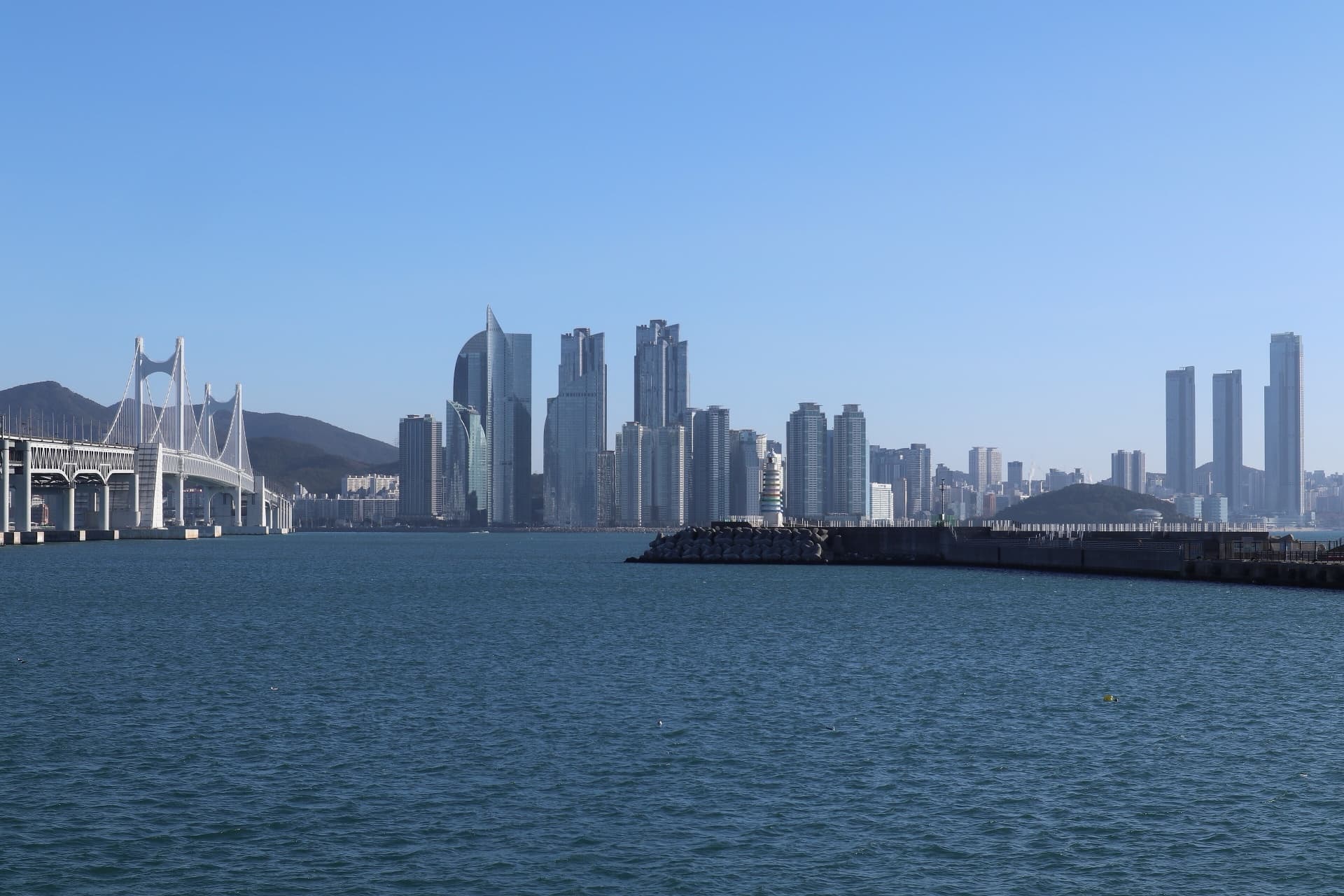
Busan is worth visiting for a Korea trip that needs sea air, seafood markets, beaches and a very different rhythm from Seoul. Its best moments come from pairing one coast with one neighbourhood rather than trying to cross the city for every famous view.
The city is spread along a mountainous coastline. Metro and rail help with the long links, while local buses climb hills and reach areas that do not sit beside a station; the map distance often understates the time needed.
Three days is a useful minimum, four is more relaxed. Food is flexible, but beach-area hotels and peak weekends can cost more, and attractions on opposite ends of Busan create transport fatigue.
Trip Fit Scores
The main Worth Score tells you whether Busan is broadly worth considering. Trip Fit scores are more useful when you know the kind of trip you are planning.
First-Time Fit
How readable and rewarding Busan feels for a first visit.
Weekend Fit
How much of Busan's payoff fits into a focused one-to-three-day trip.
Couple Fit
How well Busan supports atmosphere, shared pacing, food, and memorable time together.
Solo Fit
How confidently an independent traveler can move through and enjoy Busan.
Budget Fit
How easily a traveler can control lodging, food, transport, and attraction costs in Busan.
Walkability Fit
Walk the local area and use transit between it; hills change the effort level.
Culture Fit
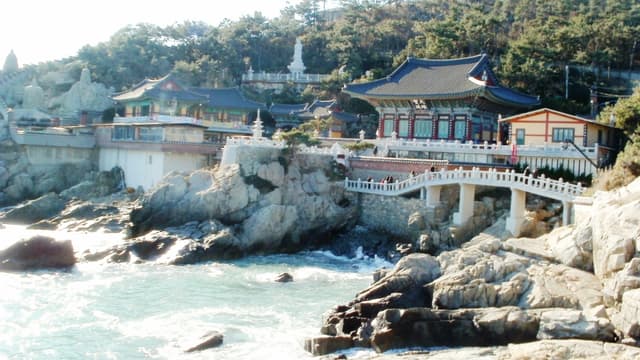
Markets, port history, temples and neighbourhoods broaden the trip beyond beaches.
Family Fit
How comfortably Busan supports mixed interests, practical movement, and group planning.
Risk Signals
Risk signals are not scores to optimize. They show where a Busan trip can feel more expensive, crowded, tiring, or overhyped than expected.
Tourist Trap RiskiTourist Trap Risk: Based on central-area price friction, low-value attraction pressure, and how often Busan rewards stepping beyond the obvious visitor circuit. At busy beaches and markets, compare menus and choose food spots for the meal rather than the view alone.
At busy beaches and markets, compare menus and choose food spots for the meal rather than the view alone.
Crowd PressureiCrowd Pressure: Flags when famous sights, queue density, narrow streets, or peak-season movement make Busan feel more tiring than the itinerary suggests. Haeundae, Jagalchi and major summer beaches can be very busy on weekends and holidays.
Haeundae, Jagalchi and major summer beaches can be very busy on weekends and holidays.
Overrated RiskiOverrated Risk: Measures the gap between online hype and practical trip payoff for your time, budget, and first-visit expectations. Busan can feel like a long transfer exercise if the trip tries to cover every distant district.
Busan can feel like a long transfer exercise if the trip tries to cover every distant district.
Walking DifficultyiWalking Difficulty: Based on cobblestones, hill gradients, heat exposure, distance between useful areas, and pedestrian infrastructure reviewed for September 2026. Hills, steps and routes between coast and station make footwear and daily pacing matter.
Hills, steps and routes between coast and station make footwear and daily pacing matter.
Peak Season FrictioniPeak Season Friction: Looks at hotel demand, weather stress, crowd spikes, reservation pressure, and whether timing changes the core Busan experience. Summer beach demand affects hotels, queues and the time needed for popular shoreline trips.
Summer beach demand affects hotels, queues and the time needed for popular shoreline trips.
Score Breakdown
Worth Score = Value Fit * 0.35 + Friction/Crowd * 0.25 + Culture * 0.25 + Transit/Walking * 0.15. Scores compare cities consistently, but they do not pretend travel taste is perfectly objective.
How we calculate this scoreWeighted visitor-trip decision score; Beaches, seafood, port history and hillside districts give Busan a distinctive coastal personality.
Multilingual metro information and a clear coastal cluster help orient new visitors.
A short trip works when you choose one coast and one central area.
Sea views, seafood dinners and a slow beach walk create a strong shared break.
Transit and food options suit independent visitors who keep the route compact.
Everyday food and transit can be reasonable; hotel rates vary by coast, weekend and holiday demand.
Individual areas are rewarding on foot, while hills and long coastline links require transit.
Beaches, seafood, port history and hillside districts give Busan a distinctive coastal personality.
Busan is a flexible-cost destination: everyday meals and transit can stay moderate, while beachfront accommodation and summer demand raise the total.
Busan is walkable within each chosen district, not as one connected city centre. Hills and long coastal distances make metro and local buses part of a normal sightseeing day.
Busan is manageable for first-time visitors when transit is planned, but terrain and the distance between districts add physical effort.
Use a transit card for smoother bus and metro transfers, and confirm where your route requires a local bus.
Multilingual metro information helps, but bus transfers and terrain make route grouping important.
Best For / Not Ideal For
Best for
- Coastal Korea itineraries
- Seafood and markets
- Beach and city combinations
- Travelers who enjoy neighbourhood variety
Not ideal for
- One-day city checklists
- Low-walking visitors without transit plans
- Beach-only winter trips
- Travelers needing a tiny city centre
How Many Days Do You Need in Busan?
Four days is comfortable for Busan. Three can work if you choose a coast, one market or historic area, and a final neighbourhood instead of crossing the city daily.
1 day
Stay near one metro corridor and choose either a coastal scene or a market day, not both ends of town.
2 days
Pair Haeundae or Gwangalli with one central food or culture area, keeping each day geographically tight.
3 days
Add a hillside neighbourhood or temple, using local bus or a short car ride for the last uphill leg.
4 days
The best balance for coast, markets, history and slower evenings without turning every morning into a long commute.
Busan Budget: What to Expect
Busan is a flexible-cost destination: everyday meals and transit can stay moderate, while beachfront accommodation and summer demand raise the total.
- Compare a beach-area room with a metro-connected base a little inland; the cheaper option may still be convenient.
- Busan's transit card works across bus and metro, and cash fares do not receive the same transfer discount.
- Use a taxi selectively for a steep final approach or late return rather than for every district change.
- Reserve summer weekends early if a particular beach neighbourhood is central to your stay.
Use transit and local meals, and choose a base one stop back from the most in-demand beach strip.
A coastal hotel and a few paid activities create a comfortable but still manageable trip.
A premium beachfront room and frequent car rides are the main ways a short Busan visit becomes expensive.
Is Busan Walkable?
Busan is walkable within each chosen district, not as one connected city centre. Hills and long coastal distances make metro and local buses part of a normal sightseeing day.
- Build days around one coast or neighbourhood and avoid scheduling the far east and west together.
- Bus routes reach hillside areas, but check the return stop and route before setting out.
- Leave extra time for stairs, beach promenades and station transfers.
- Use the official bus information or a current map when a site is not beside a metro station.
Safety & Comfort
Busan is manageable for first-time visitors when transit is planned, but terrain and the distance between districts add physical effort.
- Use a transit card for smoother bus and metro transfers, and confirm where your route requires a local bus.
- Bring shoes suited to hills and steps even if the day's main attraction is a beach.
- In hot weather, schedule coastal walks early and protect a shaded meal or indoor break.
Where to Stay in Busan
Busan has several useful bases rather than one universally central neighbourhood; choose around the coastline and attractions you want most.
Seomyeon
A practical central interchange with restaurants and access toward both sides of the city.
3 options to compare
Seomyeon first-time shortlist
Seomyeon flexible hotel deals
Seomyeon top-rated stays
What to Book Before You Go
Book the coastal base and any timed attraction first; the rest of Busan is easier when route clusters are decided before each day.
Book the boring stuff before it becomes expensive.
Busan works better when you buy a 72-hour transit pass and stop feeding parking meters.
Check transit and walking notesA beach-area hotel can sell out or turn into a queue with a view of other people's backpacks.
Explore tours in Busan ↗Worth it for late arrivals, families, heavy bags, or anyone landing tired enough to make bad taxi choices.
Check arrival comfort notesBook early
Seomyeon is the easiest first base.
Pick the area before chasing the cheapest room. Location changes walking time, arrival friction, and evening comfort.
Compare stay areas ↗Plan one high-friction anchor.
Compare Haeundae and Gwangalli by the evenings you want, not by their names alone.
Explore tours in Busan ↗Optional
Useful when arrival friction is high.
Late arrivals, heavy bags, and family trips can make a transfer worth considering.
Check comfort notesOnly useful for attraction-heavy trips.
Do the math before buying; many city trips are better with selective tickets.
Review trip fitUseful for smoother first hours.
Worth considering if you rely on maps, transit, restaurant saves, or late-arrival coordination.
Check arrival frictionUsually not needed
Do not rent a car for Busan itself.
A car usually adds friction inside the city.
See walkability notesBooking checks for Busan
Prioritize the bookings that reduce real trip friction: the right base, one useful activity, and backup for higher-risk logistics.
Book the high-friction anchor, skip the filler.
Busan has enough trip payoff to justify one planned activity when it protects time, queues, or route quality.
Insurance is worth checking before a higher-friction trip.
Busan has enough comfort, transport, or peak-season friction that medical coverage and trip disruption backup deserve a quick pre-trip check.
Choose the stay area before choosing the room.
Check hotel availability around Seomyeonso room savings do not become daily transfer friction.
Common Busan Mistakes
Treating Busan as a compact weekend centre
The coast and districts are far apart; choose fewer areas and enjoy them longer.
Relying on the metro for every final connection
Some hills and shoreline attractions need a bus or short car ride after the station.
Booking the wrong coast for your itinerary
A Haeundae base is ideal for its beach, less so for daily trips to western areas.
Underestimating summer weekends
Beach crowds affect hotel availability, meals and the time spent in transit.
Compare Busan with similar cities
Busan is strong, but not always the best choice.
The point of WorthTheCity is not to crown one universal winner. Compare Busan with nearby or similar cities if you are deciding between value, ease, culture, trip length, and travel style.
Where Busan ranks highly
Only lists where Busan appears in the published top ten are shown.
Busan FAQ
Is Busan worth visiting?
Yes, especially for beaches, seafood, port culture and neighbourhoods that feel distinct from Seoul. Give it at least three days.
How many days do you need in Busan?
Three days is a useful minimum; four makes the spread-out coast and city districts more comfortable.
Is Busan easy to get around?
The metro covers major corridors and buses reach many hills and coastal areas. Route planning matters because the city is geographically spread out.
Is Busan expensive?
Local food and transit can be moderate, but summer beachfront rooms and weekend demand raise costs.
Where should I stay in Busan?
Seomyeon is convenient for transit and food, while Haeundae or Gwangalli suit a coast-first trip. Nampo works well for markets and older central sights.
Support WorthTheCity
WorthTheCity is free to use and supported by affiliate links and optional reader support. Scores stay editorial and are not determined by affiliate partnerships.
Support the projectSome booking links may earn WorthTheCity a commission at no extra cost to you. Affiliate links do not determine city scores.